






What's Happening?
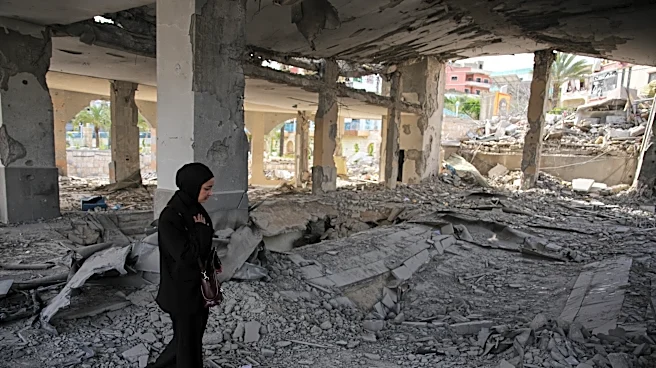
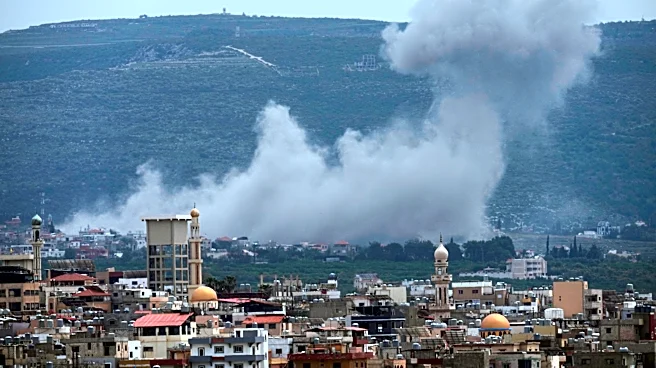
US Central Command (CENTCOM) has reported that nearly 400 US troops have been wounded in the ongoing conflict with Iran, with 13 service members killed in combat. The conflict began on February 28 when the United States and Israel launched a military
operation targeting Iran. Diplomatic efforts to reach a long-term agreement have so far been unsuccessful, with recent talks in Islamabad, Pakistan, failing to produce a breakthrough. A temporary two-week ceasefire was announced on April 7, but tensions remain high as both sides continue to engage in hostilities.
Why It's Important?
The conflict with Iran has significant implications for US foreign policy and military strategy in the Middle East. The loss of American lives and the high number of wounded service members highlight the human cost of military engagements. The situation underscores the challenges of achieving diplomatic resolutions in complex geopolitical conflicts. The ongoing hostilities also raise concerns about regional stability and the potential for further escalation, which could have broader implications for global security and economic interests.
What's Next?
Diplomatic efforts are expected to continue, with the possibility of further talks aimed at reaching a long-term agreement. The temporary ceasefire provides a window for negotiations, but the outcome remains uncertain. The US and its allies may need to reassess their strategies and consider alternative approaches to de-escalate tensions and achieve a sustainable resolution. The situation will likely remain a priority for policymakers and military leaders as they navigate the complexities of the conflict and its impact on regional and global dynamics.