


What's Happening?
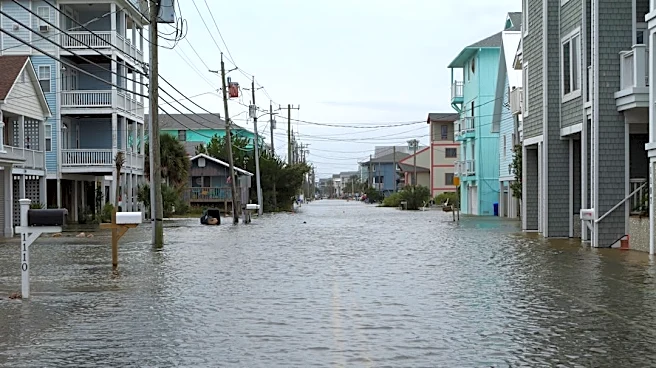
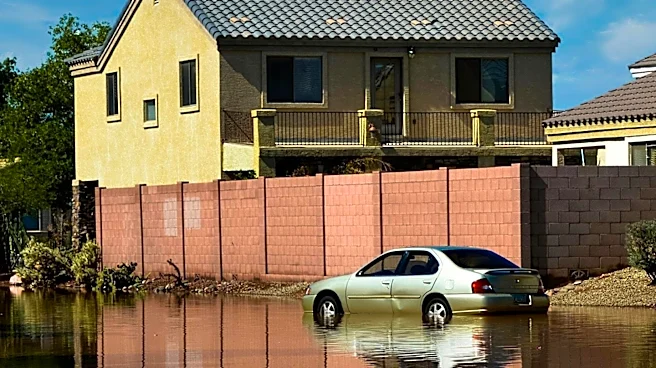
Jamie Briar, a Des Moines woman, experienced a devastating basement flood last week when 46 inches of water inundated her home during heavy rains. The flood destroyed numerous essential household items, including her utilities, washer, dryer, freezer,
and HVAC system. More significantly, the flood ruined decades of irreplaceable family memorabilia, such as family photos, recipes passed down from her grandmother, and childhood toys and movies belonging to her son. Briar reported to KCCI that she and her son had to dispose of over 2,400 pounds of her belongings. As a single mother, she now faces the challenge of replacing these losses without flood insurance, which she did not have.
Why It's Important?
This incident highlights the severe and often uninsured financial and emotional toll that natural disasters, such as heavy rainfall and subsequent flooding, can inflict on individuals and families. The loss of essential appliances and infrastructure represents a significant financial burden, especially for those without adequate insurance coverage. More profoundly, the destruction of irreplaceable family heirlooms and photographs underscores the non-monetary, emotional impact of such events, which can be deeply traumatic. This situation brings to light the vulnerability of many homeowners to climate-related events and the critical importance of comprehensive insurance planning, including flood insurance, which is often overlooked or deemed too expensive until it's too late. It also emphasizes the need for community support systems, as evidenced by the GoFundMe campaign initiated by Briar's coworkers.
What's Next?
Jamie Briar's immediate next steps involve the arduous process of cleaning up, assessing the full extent of the damage, and attempting to replace lost necessities. Without flood insurance, she will rely heavily on the GoFundMe campaign started by her coworkers and potentially other community aid or disaster relief programs, if available. The long-term recovery will involve rebuilding her home's infrastructure and coping with the emotional loss of her family memories. This event may also prompt broader discussions within the Des Moines community about flood preparedness, the accessibility and affordability of flood insurance, and the potential need for enhanced municipal infrastructure to mitigate the effects of increasingly frequent or severe weather events.
Beyond the Headlines
The destruction of personal artifacts like family photos and heirlooms goes beyond material loss; it represents a loss of personal history, identity, and connection to one's past. For Briar and her son, this flood has not only created financial hardship but also a profound sense of emotional displacement, as her son expressed feeling like his childhood was being thrown away. This incident serves as a poignant reminder of how climate change and extreme weather events are increasingly impacting individual lives, not just on a grand scale, but through the intimate destruction of personal legacies. It also raises ethical questions about societal responsibility to support those who lose everything to natural disasters, especially when insurance gaps leave them vulnerable, and the psychological resilience required to rebuild a life after such a devastating and personal loss.