




What's Happening?
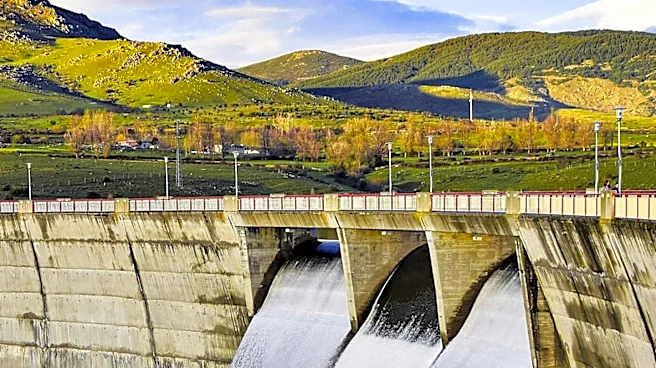
A cyberattack targeted the water treatment facility in Saint-Noël, Quebec, a small municipality with fewer than 400 residents. The attack, traced back to a Russian hacking group, involved manipulating the computer system of the local drinking water station.
Although the water quality was not compromised, the incident underscores the vulnerability of critical infrastructure to cyber threats. The Canadian Centre for Cyber Security has identified water systems as strategic targets for state-sponsored actors. This attack is part of a broader pattern of cyber threats against critical infrastructure in Canada and the U.S., often linked to Russian groups.
Why It's Important?
The cyberattack on Saint-Noël's water plant highlights the growing threat of cyber warfare against critical infrastructure. Such attacks can disrupt essential services and pose significant risks to public safety. The incident underscores the need for robust cybersecurity measures across all levels of government to protect vital systems. As cyber threats become more sophisticated, municipalities with limited resources are particularly vulnerable. This event serves as a wake-up call for governments to prioritize cybersecurity and implement standardized protocols to safeguard critical infrastructure from future attacks.
What's Next?
In response to the attack, cybersecurity experts are urging the federal government to standardize cybersecurity protocols across all levels of government. This would help protect vulnerable municipalities from similar threats. Authorities are likely to increase monitoring and collaboration with international partners to address the growing cyber threat landscape. The incident may also prompt a review of existing cybersecurity measures and lead to increased investment in securing critical infrastructure. As cyber threats continue to evolve, ongoing vigilance and adaptation will be crucial to safeguarding public services.