



What's Happening?
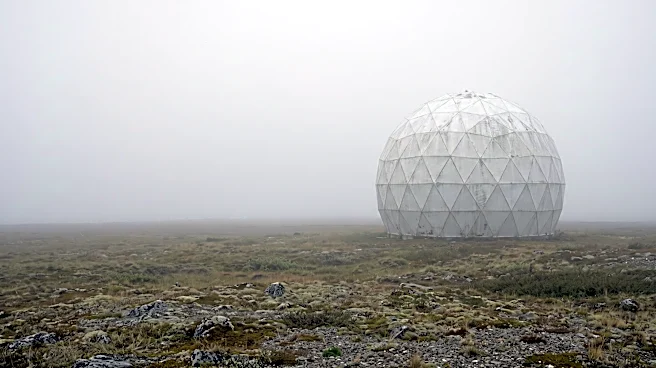
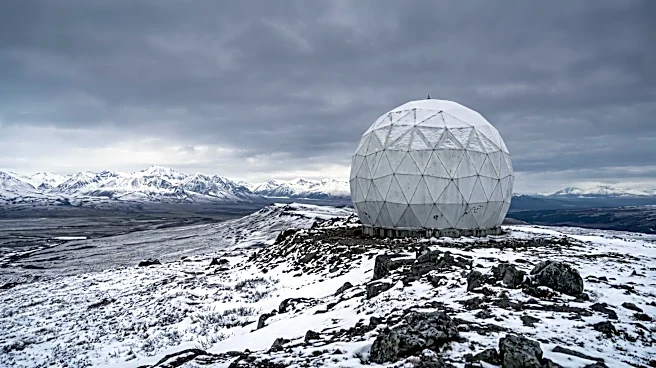
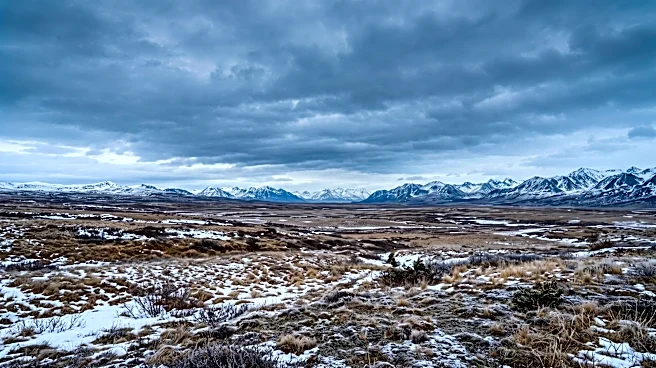
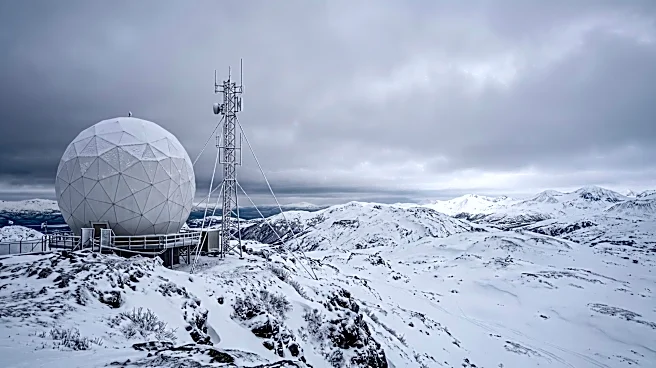
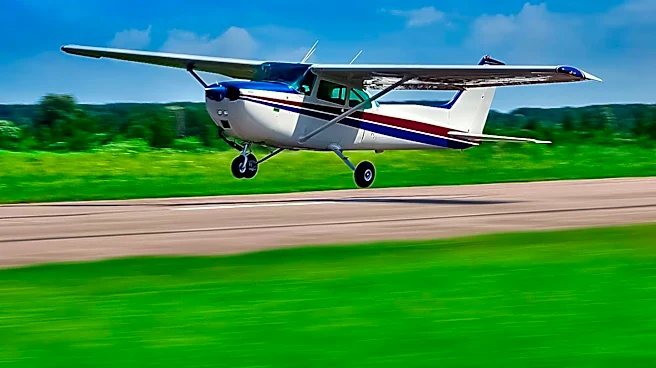
A civilian-contracted Cessna 441 charter plane, operated by Security Aviation, crashed near a remote radar site in western Alaska, resulting in the deaths of all eight people on board. The incident occurred on Thursday at approximately 20:15 GMT, west of Cape
Newenham LRRS Airport. Rescuers who arrived at the crash site confirmed there were no survivors. The Alaskan Command stated that the individuals on board were dedicated professionals carrying out a vital mission in a demanding environment, though the specific nature of their work at the radar site, which tracks aircraft in Alaskan airspace, was not disclosed. The National Transportation Safety Board (NTSB) Alaska region chief, Clint Johnson, confirmed that the plane carried two pilots and six passengers.
Why It's Important?
This tragic incident represents a significant loss of life and highlights the inherent risks associated with operating in remote and challenging environments, particularly for those involved in critical military support functions. The radar site's role in tracking aircraft in Alaskan airspace underscores its importance for national security and air traffic control in a strategically vital region. The crash will likely prompt thorough investigations by the Alaskan Command and the NTSB to determine its cause, which could lead to enhanced safety protocols, equipment upgrades, or changes in operational procedures for civilian contractors supporting military installations. The loss of dedicated professionals also impacts the continuity of operations and the morale of personnel involved in such demanding missions.
What's Next?
The Alaskan Command is currently investigating the crash and plans to release the names of the deceased after their families have been notified. The National Transportation Safety Board (NTSB) will also conduct a comprehensive investigation to ascertain the cause of the accident. This will involve examining flight data recorders, wreckage, weather conditions, and maintenance records. The findings from these investigations will be crucial for understanding what led to the crash and for implementing measures to prevent similar incidents in the future. Depending on the outcome, there could be recommendations for changes in aviation regulations, contractor oversight, or operational standards for flights to remote military sites.
Beyond the Headlines
Beyond the immediate tragedy, this incident brings to light the often-unseen dangers faced by civilian contractors who play a crucial role in supporting military operations, especially in remote and harsh environments like Alaska. Their work, though not directly military, is integral to national defense and infrastructure. The crash may also spark discussions about the adequacy of safety regulations and oversight for civilian-contracted flights to sensitive military installations. Furthermore, it could draw attention to the broader challenges of maintaining and operating critical infrastructure, such as radar sites, in isolated locations, including logistical complexities, extreme weather conditions, and the reliance on specialized personnel and equipment. The incident serves as a somber reminder of the human cost involved in maintaining national security and operational readiness in challenging geographies.