





What's Happening?
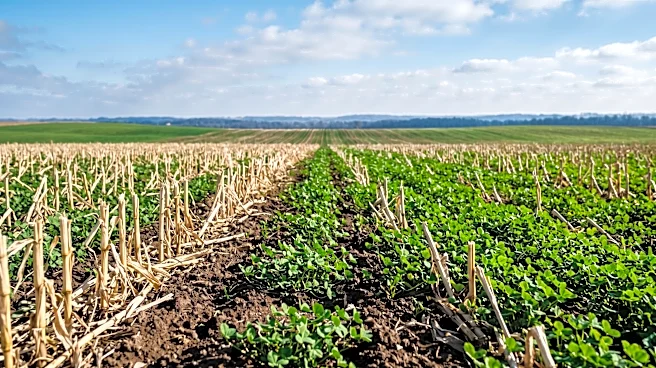
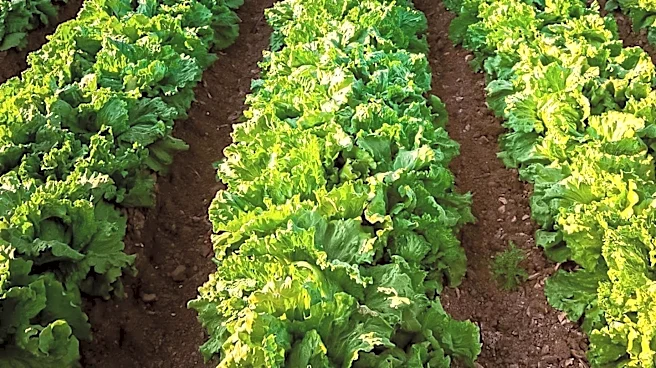
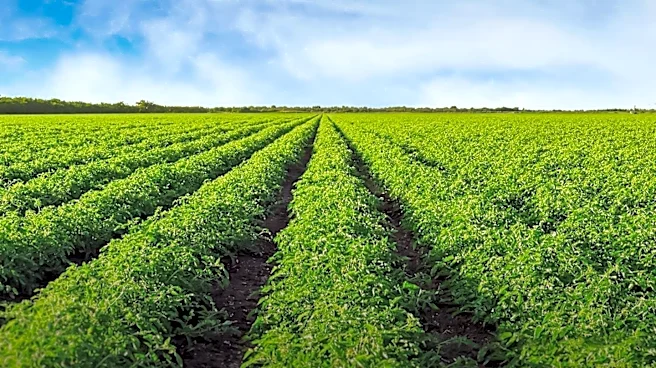
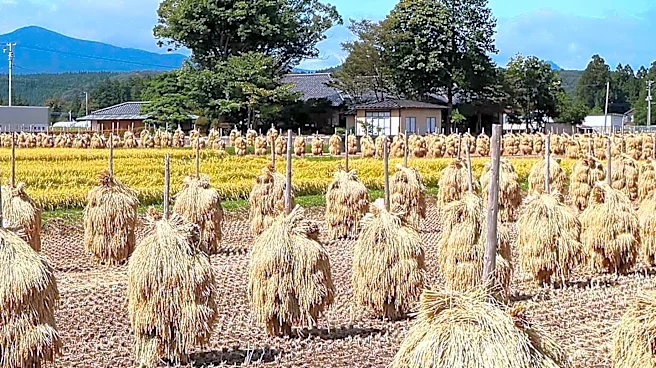
Crop farming, a foundational aspect of agriculture, involves cultivating plants for various purposes including food, animal feed, raw materials, and commercial sales. This practice is evolving with a focus on sustainable methods to ensure long-term productivity
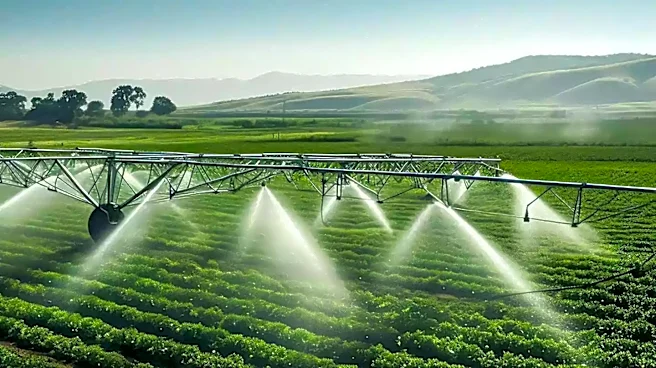
and responsible resource management. Key practices in modern crop farming include composting, crop rotation, the use of organic manure, cover crops, biological pest management, soil conservation, and mulching. Irrigated crop farming utilizes systems like drip irrigation and sprinklers to supply water, especially in regions with insufficient rainfall. The industry is also seeing an increased emphasis on organic farming, which adheres to specific certification requirements and natural processes. Farmers are considering factors such as climate, soil conditions, water availability, crop variety, and market demand when making cultivation decisions. Value-added agriculture is emerging as a strategy for farmers to enhance profitability amidst rising costs and fluctuating export markets.
Why It's Important?
The shift towards sustainable and diversified crop farming practices is crucial for the U.S. agricultural sector and broader economy. Sustainable methods help mitigate environmental impacts, such as soil degradation and water depletion, ensuring the long-term viability of agricultural lands. This is vital for maintaining food security and supporting rural economies that heavily rely on agricultural output. The adoption of organic farming and integrated pest management reduces reliance on synthetic chemicals, potentially leading to healthier ecosystems and consumer products. Furthermore, value-added agriculture provides farmers with opportunities to increase their income by processing raw agricultural products into higher-value goods, thereby stabilizing farm incomes and fostering local economic growth. This approach can help U.S. farmers navigate economic challenges like high input costs and unpredictable global markets, strengthening the resilience of the agricultural supply chain.
What's Next?
The future of crop farming in the U.S. will likely see continued integration of advanced technologies and data-driven research to optimize yields and resource use. Educational institutions and agricultural organizations are expected to play a significant role in disseminating knowledge about sustainable practices, such as no-till farming and conservation tillage, to improve soil health and fertility. Farmers will increasingly explore value-added agriculture to diversify their revenue streams and reduce dependence on volatile commodity markets. There will also be a sustained focus on developing drought-tolerant crops and efficient irrigation techniques to address water scarcity challenges. Policy initiatives may further incentivize sustainable farming methods and support the growth of organic and value-added agricultural enterprises, aiming to create a more resilient and environmentally sound food production system.
Beyond the Headlines
Beyond the immediate economic and environmental benefits, the evolution of crop farming has deeper implications for rural communities and consumer choices. The emphasis on sustainable and organic practices reflects a growing societal demand for environmentally responsible food production and healthier food options. This trend could lead to a re-evaluation of agricultural subsidies and support systems, potentially favoring practices that prioritize ecological health and local food systems. The rise of value-added agriculture also fosters entrepreneurship within farming communities, encouraging innovation and creating new local businesses. This shift could redefine the relationship between consumers and producers, promoting greater transparency and connection to the origins of food. Ultimately, these developments could contribute to a more robust, equitable, and sustainable food system in the U.S.