



What's Happening?
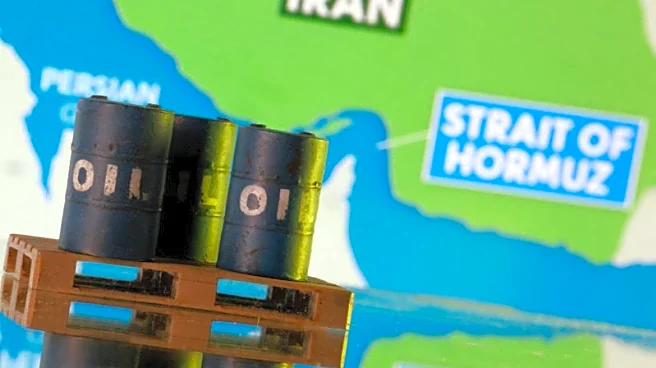
The ongoing conflict involving the US and Israel against Iran is significantly impacting the global fertilizer supply chain. The Gulf region, a major hub for inorganic nutrient trade, is experiencing disruptions due to military actions. Qatar, a key player
in the global urea market, has halted LNG production following an Iranian drone attack, leading to a surge in fertilizer prices. This disruption is affecting fertilizer availability and prices worldwide, with significant implications for agricultural cycles, particularly in the Northern Hemisphere. The conflict has led to increased prices for urea, a critical fertilizer component, with prices in New Orleans rising sharply. The situation is further complicated by Iran's control over a substantial portion of the global urea trade and potential interruptions in gas deliveries to Egypt, affecting fertilizer production.
Why It's Important?
The disruption in the fertilizer supply chain has far-reaching implications for global agriculture, particularly affecting countries dependent on Gulf exports. The surge in fertilizer prices could lead to increased costs for farmers, potentially reducing crop yields and impacting food security. Major fertilizer producers like Yara International ASA and CF Industries Holdings Inc. may benefit from the price hikes, but countries like India and Pakistan are facing challenges due to reduced LNG supplies. The situation underscores the interconnectedness of global supply chains and the vulnerability of agricultural cycles to geopolitical conflicts. The impact is particularly severe for smallholder economies in Africa, which are already struggling with high fertilizer costs.
What's Next?
If the conflict persists, countries may need to seek alternative fertilizer suppliers, potentially leading to shifts in global trade patterns. Farmers may have to adjust their planting strategies, opting for crops that require less nitrogen. The situation could also prompt governments to reassess their energy and agricultural policies to mitigate future risks. The Fertiliser Association of India has expressed hope for a short conflict to avoid long-term disruptions. However, prolonged disruptions could compel companies to shut down facilities, further exacerbating the supply chain issues.