




What's Happening?
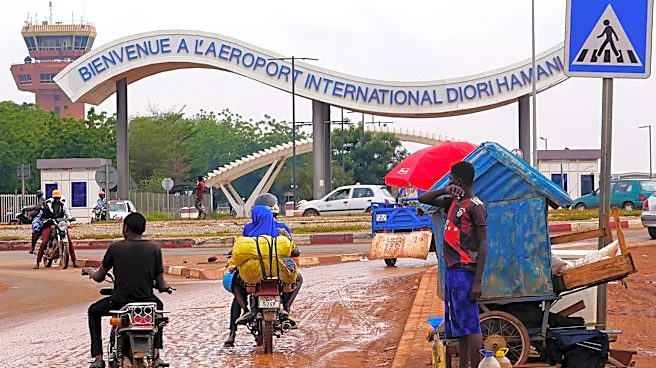
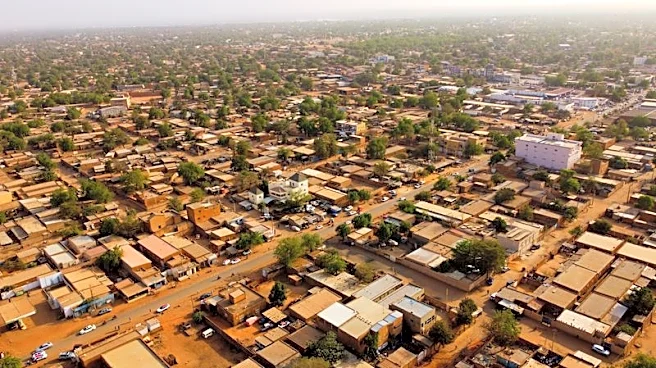
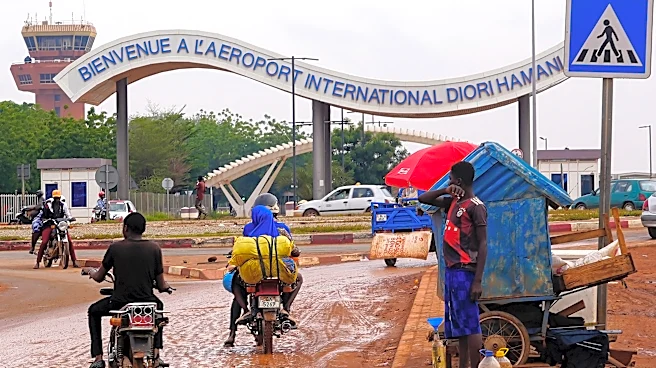
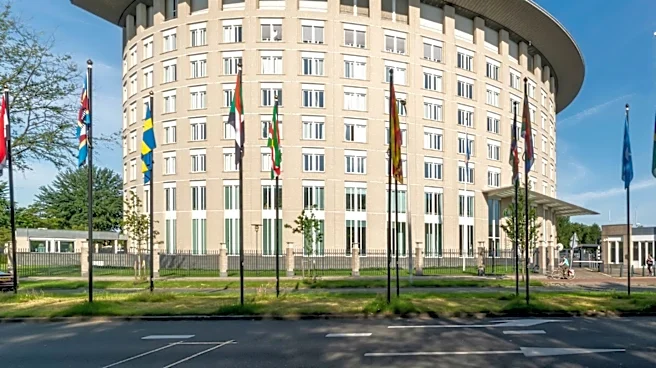
General Birame Diop, the new President of the Economic Community of West African States (ECOWAS) Commission, has pledged to renew engagement with Burkina Faso, Mali, and Niger. These three Sahel countries formally withdrew from ECOWAS after years of tensions
over military rule, sanctions, and the bloc's approach to constitutional order. Diop emphasized that despite their withdrawal, geographical proximity, shared security threats, and economic interdependence necessitate continued cooperation. He highlighted that ECOWAS and the Alliance of Sahel States (AES) countries share approximately 5,250 kilometers of borders, facilitating ongoing movement, trade, and interaction among millions of people. Diop stressed that issues such as terrorism, organized transnational crime, irregular migration, and environmental challenges transcend political boundaries, making collaboration imperative. He stated that ECOWAS is at a crossroads and urged member states to overcome differences to restore confidence in the integration project, aiming for a united Commission capable of addressing regional security and socioeconomic pressures. Nigeria, represented by the Minister of State for Foreign Affairs, Ambassador Sola Enikanolaiye, supported the call for intensified engagement with the AES countries, viewing them as 'brothers and sisters in our shared region with common challenges and aspirations.'
Why It's Important?
The renewed commitment by the new ECOWAS President to engage with the breakaway Sahel states is crucial for regional stability and security. The withdrawal of Burkina Faso, Mali, and Niger created a significant rift within ECOWAS, potentially undermining decades of efforts towards West African integration. The shared challenges of terrorism, irregular migration, and transboundary crime mean that disunity could exacerbate these issues, impacting not only the immediate region but also potentially leading to broader instability. For the U.S., a stable West Africa is vital for counter-terrorism efforts and regional security partnerships. Instability in this region can create safe havens for extremist groups, which could pose a threat to international security. Furthermore, economic cooperation and trade within ECOWAS are essential for regional development and poverty reduction, which are long-term goals supported by U.S. foreign policy. The reintegration or close cooperation with these states could prevent further fragmentation and strengthen a united front against common threats, benefiting regional economic growth and security, and aligning with U.S. interests in promoting stability and good governance.
What's Next?
The immediate next steps will involve ECOWAS initiating diplomatic overtures and dialogues with Burkina Faso, Mali, and Niger to explore avenues for renewed engagement and cooperation. General Diop's administration is expected to prioritize these discussions, focusing on practical areas of collaboration such as border security, counter-terrorism strategies, and managing irregular migration, given the shared challenges that transcend political divisions. The implementation of ECOWAS Vision 2050 will likely serve as a framework for rebuilding the organization, with priorities including institutional efficiency, stronger cohesion, and innovative financing. Major stakeholders, including Nigeria, have expressed support for keeping the door open to reconciliation, suggesting that diplomatic efforts will be backed by key regional players. The new ECOWAS leadership will also need to address internal challenges, such as financial accountability and operational efficiency, as highlighted by Nigeria's call for prudent management of the organization's resources. The resolution of political crises in other member states, such as Guinea-Bissau, will also be on the agenda, with Senegal designated as a facilitator for this process. The success of these efforts will determine the future trajectory of West African integration and regional stability.
Beyond the Headlines
The emphasis on 'geography remains the same' by the new ECOWAS President underscores a fundamental truth about regional dynamics: political decisions, while impactful, cannot erase the inherent interconnectedness of neighboring states. This situation highlights the complex interplay between political sovereignty, regional integration, and shared existential threats. The withdrawal of the three Sahel states, driven by internal political shifts and dissatisfaction with ECOWAS's approach, reveals deeper questions about the efficacy and responsiveness of regional blocs to the evolving needs and political realities of member states. The call for an 'ECOWAS of citizens and not of governments' by Nigeria's representative points to a critical ethical and cultural dimension: the ultimate purpose of regional integration should be to benefit ordinary West Africans, ensuring freedom of movement, trade, employment, and security. This perspective challenges the traditional state-centric view of international relations and advocates for a more people-centered approach. The long-term implications could involve a re-evaluation of ECOWAS's foundational principles and operational mechanisms to better accommodate diverse political systems and address common challenges more effectively, potentially leading to a more flexible and adaptive regional framework.