





What's Happening?
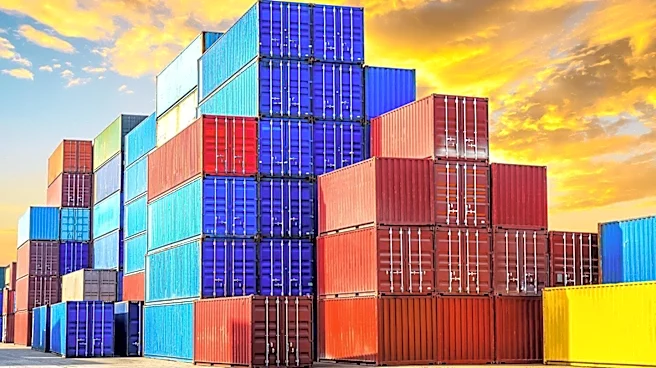
The European Union has introduced a 50-tonne de minimis exemption as part of its Carbon Border Adjustment Mechanism (CBAM), which began its definitive period on January 1, 2026. This exemption applies to importers whose combined imports of covered goods,
such as cement, fertilizers, iron and steel, and aluminum, remain at or below 50 tonnes of net mass per year. The European Commission estimates that this will remove obligations for approximately 90% of importers while still covering about 99% of the emissions embedded in CBAM goods. The exemption replaces the previous 150-euro consignment threshold. Importers exceeding the 50-tonne threshold at any point in the year will have all their imports fall back into scope. The CBAM covers six sectors, but electricity and hydrogen remain fully in scope regardless of volume.
Why It's Important?
The introduction of the 50-tonne de minimis exemption is significant as it aims to balance the administrative burden on small importers while ensuring that the majority of emissions are still accounted for under the CBAM. This move is part of the EU's broader strategy to reduce carbon emissions and encourage cleaner production practices globally. By exempting smaller importers, the EU reduces the compliance burden on businesses that contribute minimally to carbon emissions, allowing them to focus resources elsewhere. However, larger importers and those exceeding the threshold will face increased costs and regulatory requirements, potentially impacting their competitiveness and operational strategies.
What's Next?
Importers will need to prepare for the first annual CBAM declaration, covering 2026 imports, due by September 30, 2027. They must ensure compliance with the new rules, including the provision of verified actual embedded-emissions data. The EU plans to expand the scope of CBAM to include more goods over time, so businesses should stay informed about potential changes. Additionally, the reduction in the quarterly certificate holding requirement from 80% to 50% of embedded emissions provides some relief, but importers must remain vigilant in managing their carbon liabilities.