





What's Happening?
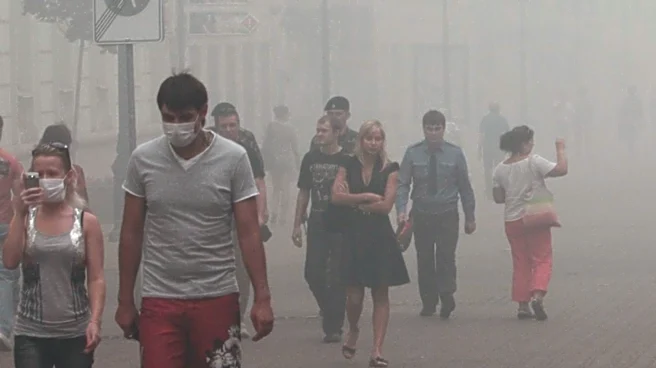
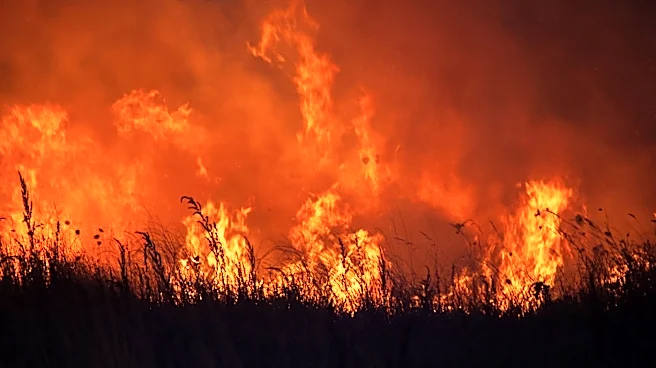
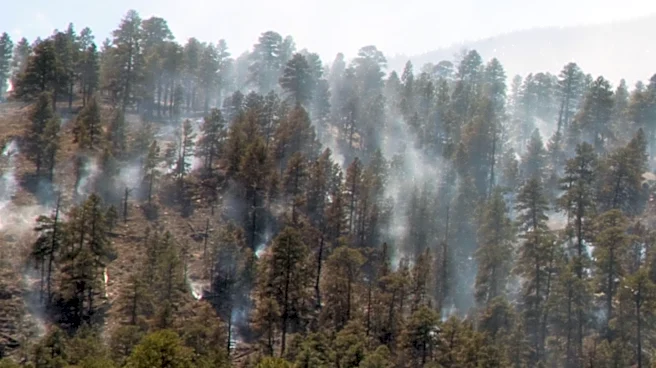
Multiple U.S. states are experiencing poor air quality due to smoke from Canadian and regional wildfires, combined with summer ozone pollution. The National Weather Service has issued air quality alerts for states including Michigan, Minnesota, Iowa,
Wisconsin, and others. In Michigan, fine particulate pollution from wildfire smoke has led to a statewide alert, with PM2.5 levels reaching 'Unhealthy for Sensitive Groups.' Similar conditions are reported in other states, with smoke and ozone levels posing health risks to millions.
Why It's Important?
The widespread air quality issues highlight the growing impact of wildfires on public health and the environment. Fine particulate matter (PM2.5) from smoke can penetrate deep into the lungs, causing respiratory and cardiovascular problems. Vulnerable groups, such as children, the elderly, and those with pre-existing health conditions, are at higher risk. The situation underscores the need for effective wildfire management and air quality monitoring to protect public health.
What's Next?
As wildfires continue to affect air quality, public health officials may issue further advisories and recommend precautions to minimize exposure. Long-term strategies could include enhancing wildfire prevention and response efforts, as well as promoting policies to reduce emissions contributing to ozone pollution. Communities may need to adapt to more frequent air quality issues as climate change exacerbates wildfire risks.
Beyond the Headlines
The increasing frequency of poor air quality events due to wildfires raises concerns about long-term health impacts and economic costs. Studies suggest that prolonged exposure to wildfire smoke could lead to higher mortality rates and significant healthcare expenses. The situation calls for a reevaluation of environmental policies and greater investment in sustainable practices to mitigate climate change effects.