







What's Happening?
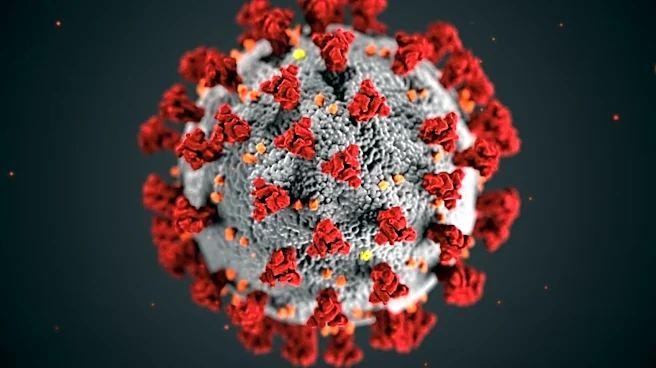
A new study conducted by Canadian health agencies, analyzing data from 8,809 adults between April 2022 and June 2023, has found a significant correlation between COVID-19 infections and the increased odds of receiving new medical diagnoses. Individuals
who experienced two COVID-19 infections had a 76% higher chance of a new diagnosis, with nearly four times the odds of developing new back problems and a five-fold increase in the chances of a new respiratory diagnosis. Even those with a single infection saw a 63% increase in the odds of a new medical diagnosis. The study also highlighted that adults not fully vaccinated before their first infection had higher odds of new conditions such as cardiovascular issues and high blood pressure. These findings align with the Centers for Disease Control and Prevention (CDC) estimates indicating a rise in COVID-19 infections across 35 states. Researchers suggest that individuals with long-lasting or severe symptoms, who tend to visit doctors more frequently, are more likely to receive diagnoses for unrelated conditions, or that prolonged symptoms might stem from an undiagnosed underlying condition. New diagnoses were more prevalent among older adults, smokers, individuals with obesity, disabilities, or existing health conditions. Earlier research from the University of Texas at Austin also indicated that COVID-19 could reactivate dormant viruses like Epstein-Barr in unvaccinated, otherwise healthy individuals.
Why It's Important?
This research underscores the broader and potentially long-term health implications of COVID-19 beyond the acute phase of the illness, impacting public health and healthcare systems across the U.S. The increased odds of new medical diagnoses, including chronic conditions like cardiovascular issues and high blood pressure, suggest a growing burden on healthcare infrastructure and a potential rise in demand for specialized medical care. For individuals, this means a higher risk of developing new health problems, which could affect their quality of life, productivity, and financial well-being due to medical expenses. The findings also highlight the importance of vaccination, as unvaccinated individuals showed higher odds of new diagnoses, reinforcing public health messaging around vaccine efficacy in mitigating severe outcomes. The potential for COVID-19 to reactivate latent viruses further complicates the health landscape, suggesting that the virus's impact on the immune system may be more profound and lasting than previously understood. This could lead to an increase in conditions associated with these reactivated viruses, posing new challenges for diagnosis and treatment.
What's Next?
As COVID-19 infections are projected to increase, particularly with the upcoming peak season, health experts are emphasizing the importance of updated vaccinations for high-risk groups. Individuals experiencing persistent symptoms such as breathlessness, fatigue, or chest pain for three months or longer post-infection are advised to consult a doctor to investigate potential underlying conditions rather than solely attributing them to COVID-19. The ongoing monitoring of COVID-19 trends by agencies like the CDC will be crucial for informing public health strategies and resource allocation. Further research will likely focus on understanding the mechanisms behind these new diagnoses, differentiating between direct effects of the virus and indirect effects such as increased healthcare seeking behavior. Healthcare providers may need to adapt their diagnostic and treatment protocols to account for the increased likelihood of new or exacerbated conditions in post-COVID patients. Public health campaigns will continue to stress preventive measures, including vaccination and general hygiene practices, to mitigate the spread of respiratory viruses.
Beyond the Headlines
The study's findings hint at a deeper, more complex interaction between COVID-19 and the human immune system, potentially leading to a re-evaluation of how post-viral syndromes are understood and managed. The concept of COVID-19 'flipping the switch' on dormant viruses suggests a profound immunomodulatory effect that could have long-term consequences for chronic disease prevalence. This raises ethical considerations regarding the long-term care and support for individuals experiencing these new or exacerbated conditions, particularly those who may face significant healthcare costs or reduced quality of life. From a societal perspective, a rise in chronic health issues could strain social support systems and impact workforce participation. The study also implicitly highlights the ongoing debate about the definition and scope of 'Long COVID,' suggesting that many post-infection symptoms might be linked to newly diagnosed conditions rather than a singular, amorphous syndrome. This could lead to more targeted research and treatment approaches for specific post-COVID health challenges.