








What's Happening?
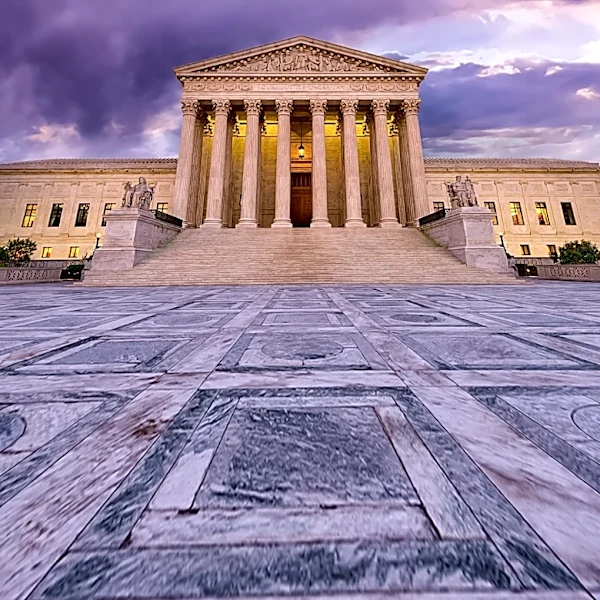
The current U.S. Supreme Court is experiencing heightened tensions and significant ideological divides, primarily due to the absence of a pragmatic center. Historically, justices like Sandra Day O'Connor and Anthony Kennedy provided a centrist balance,
but today's court is split 6-3 along ideological lines. This division has led to landmark decisions, such as the reversal of Roe v. Wade and changes in voting rights laws, which have disrupted electoral practices and largely benefited Republicans. The conservative majority, under Chief Justice John Roberts, has been emboldened by a six-justice supermajority, leading to significant legal and societal shifts.
Why It's Important?
The lack of a centrist influence on the Supreme Court has profound implications for U.S. law and society. The court's decisions are reshaping American legal precedents, affecting reproductive rights, voting laws, and presidential powers. This shift towards a more conservative interpretation of the law could lead to long-term changes in public policy and societal norms. The ideological divide also raises concerns about the court's role as an impartial arbiter of justice, potentially undermining public trust in the judiciary.
What's Next?
With several significant cases pending, the Supreme Court's decisions in the coming months could further define the boundaries of presidential power and other critical issues. The absence of a centrist voice may continue to influence the court's rulings, potentially leading to more controversial decisions. Observers and stakeholders will be closely watching how these decisions impact the political landscape and public perception of the court.