







What's Happening?
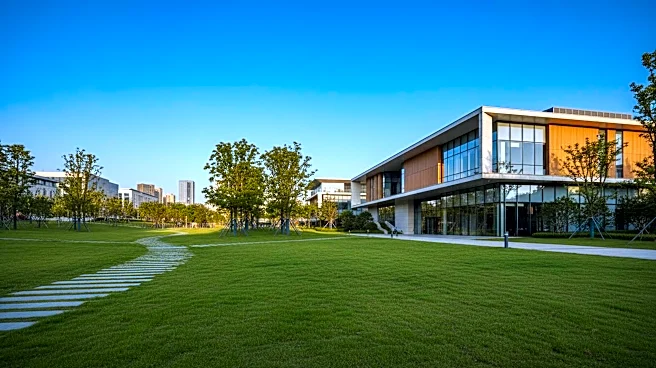
The City of Boise has commenced construction on its 103rd park, Alta Harris Park, a new 20-acre community park located along Eckert Road in Southeast Boise. The groundbreaking ceremony, attended by city leaders, members of the Harris family, and community members,
marked the official start of the project. This park will connect to the Boise River Greenbelt and is a step towards the city's goal of ensuring all residents live within a 10-minute walk of a park. Mayor Lauren McLean stated that over 2,800 people will be able to access the park within this 10-minute radius. The park is named after Alta Harris, whose family has historical ties to the land, which later became part of the Harris Ranch development. Alta Harris Park is also part of Boise's "Ribbon of Jewels" park system, honoring women who significantly contributed to the community. The project is funded by approximately $3.7 million from the city, a $1.5 million donation from the Harris family, and a $184,000 contribution from the Southern Idaho Soccer League.
Why It's Important?
The development of Alta Harris Park is significant for Boise as it expands public green spaces and recreational opportunities for its growing population. This initiative directly supports the city's urban planning goal of increasing accessibility to parks, which can enhance residents' quality of life, promote physical activity, and foster community engagement. The park's connection to the Boise River Greenbelt further integrates it into the city's existing network of trails and natural areas, offering broader ecological and recreational benefits. The funding model, combining city resources with substantial private donations and contributions from local sports organizations, highlights a collaborative approach to urban development. This project could serve as a model for other U.S. cities looking to expand their park systems through public-private partnerships, addressing the increasing demand for green infrastructure in urban environments. The naming of the park also pays homage to local history and community figures, reinforcing civic identity.
What's Next?
The groundbreaking signifies the beginning of construction for Alta Harris Park. Preparations are already underway, following the completion of frontage improvements along Eckert Road. The park is planned to include sports fields, a nature playground, shade shelters, bocce courts, pickleball courts, a permanent restroom, pathways, and access to the Greenbelt. However, city officials have indicated that additional funding will be required before the planned pickleball courts can be constructed, suggesting that fundraising efforts or future budget allocations will be necessary. The project will proceed in additional phases as funding and development progress. Community members can anticipate the gradual rollout of various park amenities, with the full completion dependent on securing all necessary resources. The ongoing development will likely involve continued collaboration between city departments, the Harris family, and other contributing organizations.
Beyond the Headlines
The creation of Alta Harris Park reflects a broader trend in urban planning towards prioritizing accessible green infrastructure as essential components of healthy, sustainable cities. Beyond providing recreational space, such parks contribute to environmental well-being by preserving natural habitats, improving air quality, and managing stormwater runoff. The "Ribbon of Jewels" park system, which Alta Harris Park joins, also carries a cultural significance by honoring women who have made substantial contributions to the community, embedding local history and values into the urban landscape. This approach not only celebrates heritage but also inspires civic pride and a sense of belonging among residents. The challenge of securing additional funding for specific amenities, like the pickleball courts, underscores the ongoing financial complexities of large-scale public projects, often requiring creative solutions and sustained community support to realize their full potential. This project exemplifies how urban development can balance growth with the preservation of natural spaces and community identity.