





What's Happening?
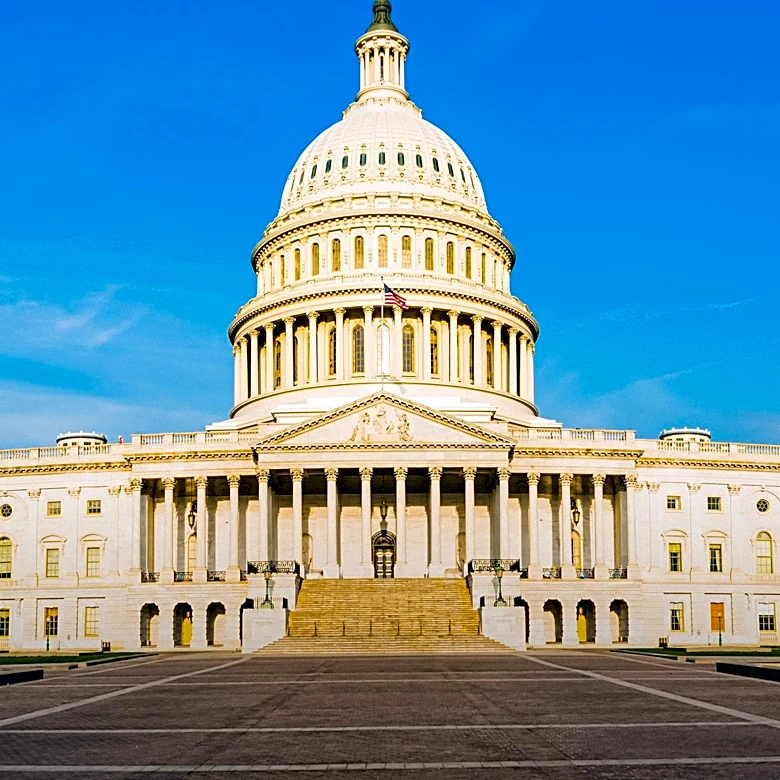
A bipartisan group of U.S. lawmakers has reintroduced the South Asian Heart Health Awareness and Research Act. This legislation aims to increase federal research, public awareness, and culturally appropriate programs to address the disproportionately
high incidence of heart disease among South Asian Americans. Representatives Pramila Jayapal and Joe Wilson, along with Senator Cory Booker, introduced the bill. The measure would authorize the U.S. health secretary to provide grants to states for programs focusing on communities severely affected by cardiovascular disease. The bill also seeks to ensure that research funding is directed towards risk factors that have not received adequate attention. South Asians in the United States face four times the risk of heart disease compared to the general population, with nearly two-thirds of middle-aged South Asian Americans facing an intermediate or high risk of heart failure within the next decade. The legislation is co-sponsored by Representatives Nanette Barragan, Brian Fitzpatrick, Henry Johnson, Ro Khanna, Adam Smith, Suhas Subramanyam, and Shri Thanedar.
Why It's Important?
This legislation is crucial because it addresses a significant public health disparity affecting a specific demographic within the U.S. The South Asian community, comprising individuals from India, Pakistan, Bangladesh, Sri Lanka, and Nepal, along with their families, accounts for approximately 25% of the global population but 60% of heart disease cases worldwide. The bill highlights a critical gap in federal health data, as research agencies within the Department of Health and Human Services do not adequately disaggregate medical data for Asian American and Pacific Islander communities, making it difficult to examine outcomes specifically among South Asian Americans. By authorizing grants for culturally appropriate materials on nutrition, diet, and exercise, and supporting community organizations, the bill aims to provide targeted interventions. This initiative could lead to improved health outcomes for a vulnerable population, reduce healthcare costs associated with chronic heart disease, and set a precedent for addressing health disparities in other underrepresented communities.
What's Next?
The South Asian Heart Health Awareness and Research Act will proceed through the legislative process in Congress. Supporters, including the American Heart Association, Indian American Impact, and several South Asian medical and public-health organizations, will likely advocate for its passage. If enacted, the bill would authorize funding through 2028, requiring the health secretary to report to Congress on grant activities and data gathered through the programs. States would then be able to apply for federal grants to develop and implement programs tailored to the needs of South Asian American communities. The focus will be on increasing research into unique risk factors, developing culturally sensitive educational materials, and supporting community-led health promotion activities. The reintroduction of the bill suggests a continued push for its final passage into law, building on previous attempts where it passed the House in multiple Congresses.
Beyond the Headlines
The reintroduction of this bill underscores a broader societal challenge regarding health equity and data disaggregation. The lack of granular data for specific ethnic groups within larger racial categories, such as Asian Americans and Pacific Islanders, can mask significant health disparities and hinder effective public health interventions. This legislation could catalyze a more comprehensive approach to data collection and analysis across various health conditions, ensuring that unique risk factors and outcomes for diverse communities are not overlooked. Furthermore, the emphasis on culturally appropriate programs acknowledges the importance of tailoring health messages and interventions to specific cultural contexts, which can significantly improve their effectiveness. This initiative could foster greater trust between healthcare systems and minority communities, leading to more proactive health-seeking behaviors and ultimately, a healthier and more equitable society.