






What's Happening?
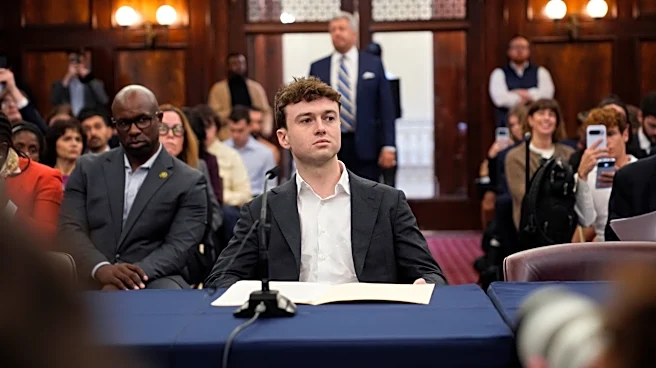
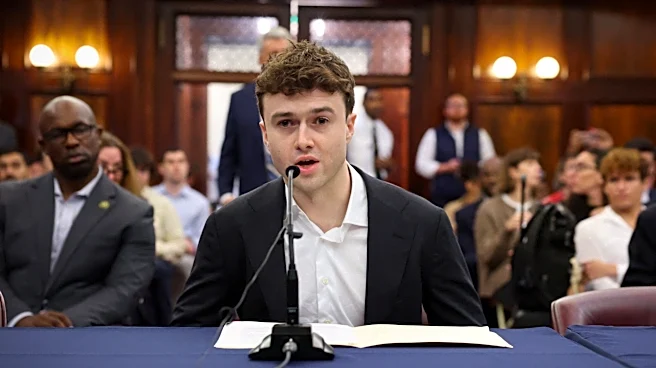
The Technology, Cyber, and Privacy Law Committee of the New York City Bar Association has submitted comments to the New York City Council regarding the use of artificial intelligence (AI) and screen time in public schools. While commending the city's
thoughtful approach to AI in education and its prioritization of student well-being, privacy, and educational outcomes, the committee suggests that certain aspects of the current guidance require further clarification and evaluation. Specifically, the committee recommends reconsidering the complete prohibition on AI for grading purposes and providing clearer guidelines for implementing screen-time recommendations. They propose a limited pilot program for AI-assisted grading, where AI would recommend grades but teachers would retain final decision-making authority. The committee also highlights ambiguities in screen-time guidance, such as who is responsible for tracking cumulative screen time, the methods for doing so, and how exceptions like 'centrally approved instruction' are monitored.
Why It's Important?
This intervention by the NYC Bar Association underscores the growing complexities and ethical considerations surrounding the integration of advanced technology, like AI, into public education. The debate over AI in grading touches upon fundamental questions of pedagogical integrity, student privacy, and the potential for bias in automated systems. A complete prohibition on AI for grading, as noted by the committee, could lead to 'shadow AI' use by teachers, creating greater risks to data security and accountability. Furthermore, unclear screen-time policies could result in inconsistent implementation across schools, potentially exacerbating educational inequities and failing to effectively address the impact of digital devices on student engagement and development. The recommendations aim to strike a balance between embracing technological innovation and safeguarding student interests, setting a precedent for how large urban school systems navigate these emerging challenges.
What's Next?
The New York City Council will likely consider the recommendations from the NYC Bar Association as it refines its policies on AI and screen time in public schools. If a pilot program for AI-assisted grading is adopted, it would involve a limited number of schools and teachers, utilizing only city-reviewed and approved AI technologies, with teachers maintaining ultimate grading responsibility. The results of such a program would then be evaluated to inform future policy decisions. Additionally, the City Council is expected to provide further clarification on screen-time guidance, addressing issues such as tracking mechanisms, teacher discretion, and the monitoring of exceptions. This ongoing dialogue between legal experts, educators, and policymakers will shape the future of technology integration in New York City's educational landscape.
Beyond the Headlines
Beyond the immediate policy adjustments, this discussion highlights a broader societal challenge: how to responsibly integrate rapidly evolving technologies into sensitive sectors like education. The concerns raised about AI bias, data privacy, and the potential for technology to overshadow human judgment in grading reflect a larger ethical debate about the role of AI in decision-making processes that affect individuals' futures. The emphasis on 'evidence rather than assumptions' for policymaking suggests a move towards data-driven governance in technology adoption. Moreover, the issue of screen time extends beyond academic performance, touching upon student mental health, social development, and the digital divide. The City's approach to these issues could serve as a model or cautionary tale for other educational institutions grappling with similar technological and ethical dilemmas.