


What's Happening?
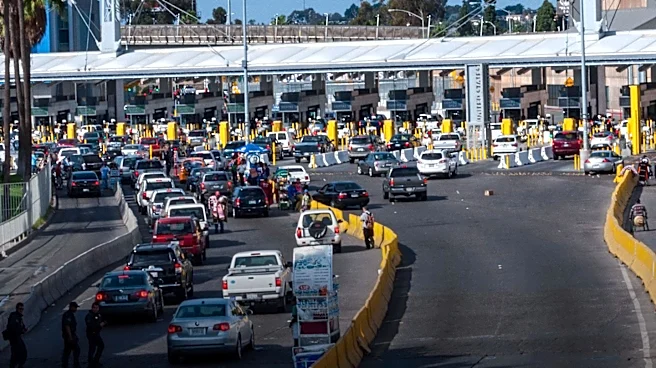
The U.S. Embassy and Consulates in Mexico have issued a warning restricting U.S. government activities and travel to the Mexican border city of Nogales, Sonora, due to an unspecified threat. The U.S. Consulate General in Nogales stated that government activities and travel are
now limited to essential movement during daylight hours only. This alert, issued on a Saturday, also reminded Americans that the U.S. Travel Advisory designates Sonora as a Level 3 'Reconsider Travel' area. While the specific nature of the threat remains unclear, Sonora's State Security Board confirmed contact with U.S. consular officials after the alert but did not provide details identifying a particular threat. State authorities indicated they had no information establishing a concrete risk to the public but would continue preventive security operations in Nogales. U.S. lawmakers, including Rep. Andy Biggs, R-Ariz., have urged Americans in or near Nogales to heed the guidance and warnings from the U.S. government.
Why It's Important?
This travel restriction signifies a heightened security concern for U.S. personnel and citizens in a critical border region. The unspecified nature of the threat creates uncertainty and underscores the volatile security environment that can exist along the U.S.-Mexico border. Such restrictions can impact diplomatic operations, cross-border commerce, and the daily lives of individuals who frequently traverse the border for work or personal reasons. For U.S. citizens, the alert reinforces the need for increased caution in areas designated as 'Reconsider Travel,' highlighting potential risks that may not always be publicly detailed. The involvement of U.S. lawmakers in urging adherence to the warnings further emphasizes the seriousness with which these threats are perceived at a national level, indicating potential implications for broader U.S. foreign policy and border security strategies. The incident also highlights the ongoing challenges in maintaining security and stability in border regions, affecting both U.S. and Mexican communities.
What's Next?
The immediate next steps involve continued monitoring of the security situation in Nogales, Sonora, by U.S. and Mexican authorities. The U.S. government will likely maintain its restricted travel posture until the unspecified threat is mitigated or better understood. U.S. citizens in the area are advised to exercise increased caution, be aware of their surroundings, and follow instructions from Mexican law enforcement. The lack of specific threat information from Sonora's State Security Board suggests ongoing investigations or a cautious approach to public disclosure. This situation could lead to further discussions between U.S. and Mexican officials regarding intelligence sharing and collaborative security efforts. Depending on the evolution of the threat, there could be adjustments to travel advisories, increased security presence, or changes in consular operations. The incident may also prompt a review of security protocols for U.S. government employees in high-risk border areas.
Beyond the Headlines
The restriction of government travel due to an unspecified threat in a border city like Nogales points to the complex and often opaque nature of security challenges in these regions. Beyond immediate safety concerns, such alerts can contribute to a broader perception of instability, potentially impacting tourism, investment, and cross-border relations. The designation of Sonora as a Level 3 'Reconsider Travel' area reflects a persistent underlying risk, which can be exacerbated by specific, even if undisclosed, threats. This situation also highlights the delicate balance between informing the public about potential dangers and avoiding undue panic or economic disruption. The ongoing need for U.S. government personnel to operate in such environments underscores the strategic importance of border cities, even amidst security concerns. The incident serves as a reminder of the multifaceted challenges in managing international borders, where security, diplomacy, and humanitarian considerations constantly intersect.