


What's Happening?
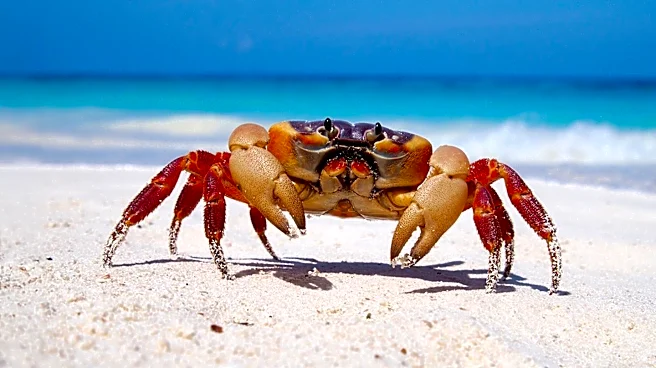
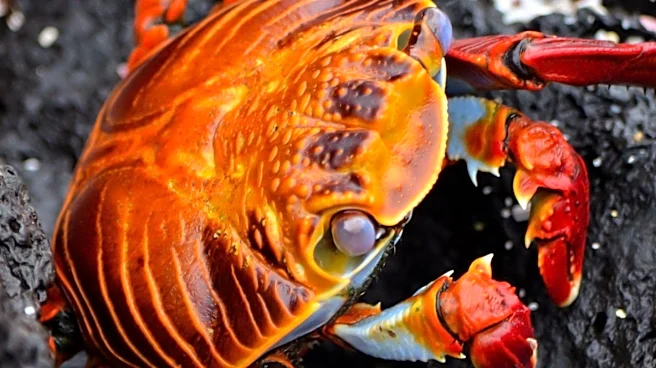
Xanthid crabs, also known as mud or gorilla crabs, are highly toxic crustaceans found in tropical marine environments. Despite their vibrant and appealing appearance, these crabs are deadly to consume due to potent neurotoxins like saxitoxins and tetrodotoxins,
which they acquire from their diet. These toxins remain lethal even after cooking, and there is no known antidote. Xanthid crabs play a crucial role in their ecosystems as scavengers, but their toxicity poses significant risks to humans who might mistakenly consume them.
Why It's Important?
The presence of such toxic species in marine environments highlights the importance of understanding and respecting local wildlife, especially in regions where these crabs are prevalent. For communities that rely on marine resources for food, awareness and education about these toxic species are vital to prevent accidental poisonings. Additionally, the study of xanthid crabs' toxins offers potential insights for medical research, particularly in developing treatments for neurological conditions. This underscores the dual nature of these creatures as both a danger and a scientific opportunity.