








What's Happening?
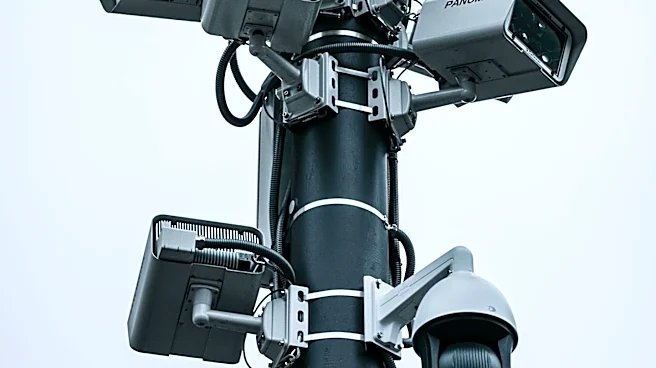
Atlanta Mayor Andre Dickens has introduced legislation aimed at establishing new policies for the Atlanta Police Department's use of surveillance technology, specifically addressing systems like Flock cameras. This initiative comes as Atlanta is reportedly
the most surveilled city in the United States, according to Comparitech. The proposed bill seeks to assign oversight of surveillance cameras to Atlanta Information Management. It also mandates the creation of a specific use policy for audits and compliance, and requires a review of new surveillance applications based on their potential risk to privacy. The legislation is a response to concerns about balancing public safety with civil liberties, particularly in light of previous reports by Spectrum News Georgia detailing instances of law enforcement officers being arrested and fired for suspected misuse of Flock cameras. City Chief of Staff Courtney English emphasized the need for powerful oversight, transparency, and remedies for such powerful technology.
Why It's Important?
This legislation is significant for several reasons, primarily due to its potential impact on civil liberties and privacy in a highly surveilled urban environment. The proposed oversight and policy framework could set a precedent for how other U.S. cities manage the proliferation of advanced surveillance technologies. By making Atlanta Information Management responsible for oversight and requiring privacy risk assessments, the bill aims to introduce a layer of accountability that is often lacking in the deployment of such systems. The focus on balancing public safety with individual rights highlights a growing national debate about the appropriate use of surveillance in modern policing. If successful, Atlanta's approach could influence policy discussions and legislative efforts in other municipalities grappling with similar issues, potentially leading to more standardized and transparent guidelines for surveillance technology use across the country. Conversely, the outcome will also demonstrate the challenges of implementing such policies in practice.
What's Next?
The Atlanta City Council has agreed to review Mayor Dickens' plan. This review process will likely involve discussions among council members, public hearings, and input from various stakeholders, including civil liberties advocates, law enforcement, and technology experts. The outcome of this review will determine the specific policies and regulations that will govern the Atlanta Police Department's use of surveillance technology. It is anticipated that the debate will center on the fine line between enhancing public safety through technology and protecting citizens' privacy rights. The legislation's progress will be closely watched by other cities and organizations concerned with surveillance practices, as it could inform future policy decisions nationwide. The implementation of audits, compliance measures, and privacy risk assessments will be critical next steps if the bill is passed, requiring significant coordination and resources from Atlanta Information Management.
Beyond the Headlines
The proposed legislation in Atlanta touches upon deeper societal implications regarding the increasing integration of artificial intelligence and advanced technology into daily life and law enforcement. The concept of a 'most surveilled city' raises fundamental questions about the nature of public space and individual anonymity in an era of pervasive data collection. Beyond the immediate policy changes, this initiative could spark broader conversations about the ethical boundaries of surveillance, the potential for algorithmic bias in AI-powered systems, and the long-term impact on community trust in law enforcement. The emphasis on transparency and oversight suggests a recognition that technological advancements must be accompanied by robust ethical frameworks and public accountability to prevent potential abuses and ensure equitable application. This move could also encourage technological innovation in privacy-preserving surveillance solutions, pushing developers to create systems that offer security benefits without unduly infringing on personal freedoms.