






What's Happening?
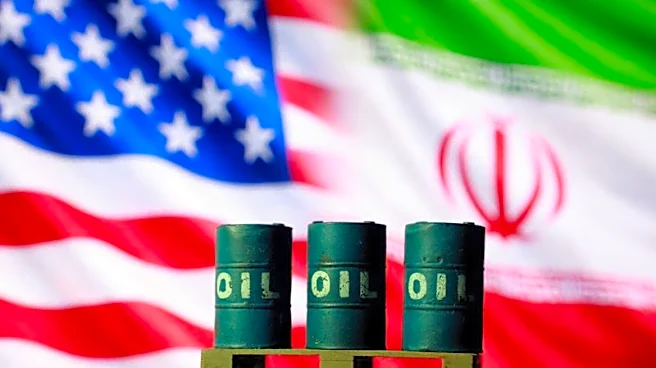
The U.S. Treasury Department has announced the termination of a temporary waiver that allowed the sale of Iranian oil stranded at sea, as part of its strategy to exert 'Economic Fury' on Iran. This decision is aligned with the broader U.S. military campaign,
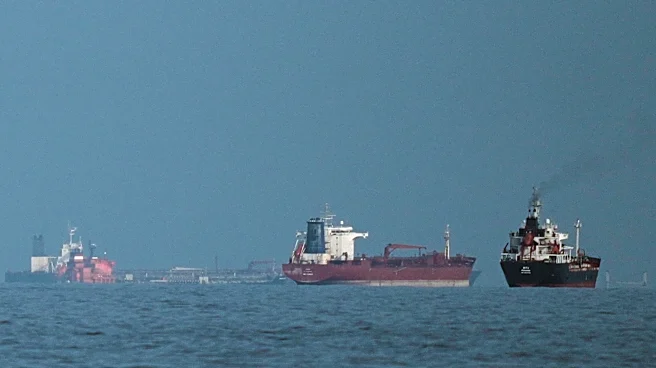
Operation Epic Fury, in the Middle East. The waiver, which permitted the shipment of approximately 140 million barrels of Iranian oil since March 20, was initially intended to mitigate rising fuel prices due to ongoing conflicts. However, the waiver is set to expire on April 19 and will not be renewed. Additionally, the U.S. has ended a similar waiver for Russian oil. The Treasury Department is also targeting foreign banks that allegedly support Iran's activities, warning them of potential secondary sanctions. Letters have been sent to financial institutions in China, Hong Kong, the United Arab Emirates, and Oman, urging them to cease any illicit activities linked to Iran.
Why It's Important?
The U.S. decision to end the sanctions waiver on Iranian oil is a significant move in its ongoing efforts to apply maximum economic pressure on Iran. This action is likely to further strain Iran's already troubled economy by cutting off a crucial revenue stream. The move also signals a hardline stance by the U.S. against countries and financial institutions that continue to engage with Iran, potentially leading to broader geopolitical tensions. The expiration of the waiver could impact global oil markets, potentially leading to fluctuations in oil prices. U.S. lawmakers have criticized the waivers, arguing they provided economic relief to Iran and Russia during wartime, thus the decision aligns with domestic political pressures to maintain a tough stance on these nations.
What's Next?
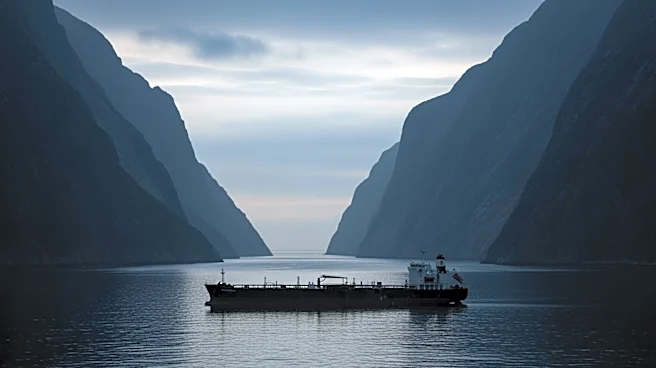
With the expiration of the waiver, the U.S. is expected to continue its blockade around the Strait of Hormuz, a critical chokepoint for global oil shipments, to enforce its sanctions. The Treasury Department's warnings to foreign banks suggest that further economic measures could be implemented if these institutions do not comply. The international community, particularly countries with economic ties to Iran, may respond with diplomatic efforts to mitigate the impact of U.S. sanctions. The situation could lead to increased diplomatic tensions and negotiations as affected countries seek to balance their economic interests with compliance to U.S. policies.