
What's Happening?
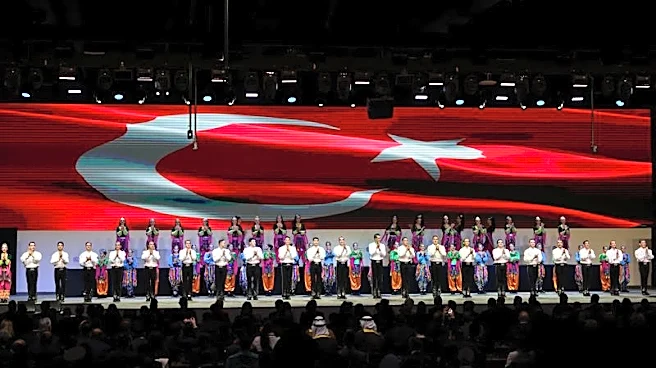
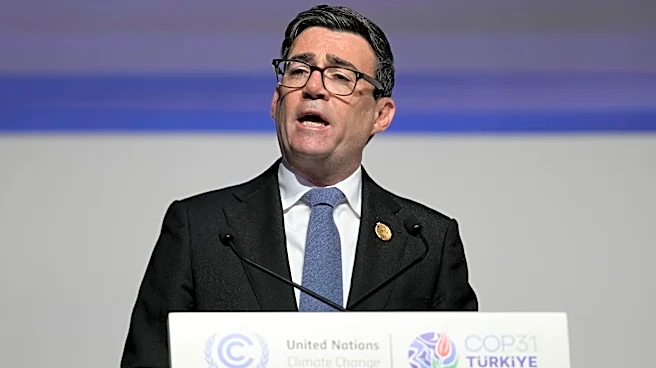
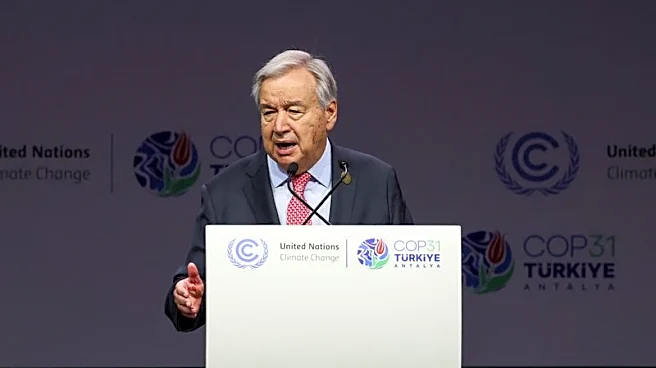
The United Nations Climate Change Conference (COP31) is scheduled to take place in Antalya, Türkiye, from November 9-20, 2026. This annual summit serves as the primary international forum for negotiating and advancing global cooperation on climate change.
COP31 is being shaped by Türkiye as the 'COP of the Future,' aiming to move beyond abstract promises to verified, measurable, and sustainable implementation of climate actions. Mr. Murat Kurum has been nominated as President of COP31, with Mr. Chris Bowen of Australia serving as President of Negotiations. The conference will feature a new model of cooperation between Türkiye and Australia, emphasizing an inclusive and solution-oriented approach. Key discussions will revolve around adapting to climate impacts, reducing greenhouse gas pollution, climate finance for developing countries, and ensuring a just transition. The conference will also feature an Action Agenda to promote voluntary initiatives from various stakeholders.
Why It's Important?
COP31 is crucial for global efforts to combat climate change, particularly as it aims to bridge the gap between climate commitments and tangible improvements. The focus on implementation signifies a shift towards practical, on-the-ground solutions, which is vital for achieving the Paris Agreement's goals of limiting global temperature increases to well below 2°C, and preferably to 1.5°C, above pre-industrial levels. The conference's emphasis on cooperation and collective action, involving governments, businesses, civil society, and youth, is essential for fostering a united front against the climate crisis. The outcomes of COP31 could influence international climate policy, drive investments in clean energy and climate-resilient infrastructure, and set new benchmarks for global climate action, impacting various sectors from energy to agriculture and urban development.
What's Next?
Leading up to COP31, the Türkiye Presidency has shared several letters outlining preparations and priorities, indicating a structured approach to the conference. The conference itself will involve extensive negotiations and high-level meetings to address pressing climate challenges and promote practical solutions. Following COP31, the focus will be on monitoring the implementation of agreed-upon actions and pledges. The 'Implementation COP' vision suggests that there will be a strong emphasis on accountability and measurable progress, potentially leading to new mechanisms for tracking climate action. Stakeholders, including governments, businesses, and civil society, will be expected to translate commitments into concrete projects and policies, with ongoing efforts to mobilize finance and investment for climate solutions.
Beyond the Headlines
The 'COP of the Future' vision for COP31 suggests a deeper shift in how international climate negotiations are approached, moving towards a more results-oriented and pragmatic framework. This could set a precedent for future climate summits, emphasizing tangible outcomes over aspirational goals. The collaboration between Türkiye and Australia in leading the conference highlights the potential for diverse geopolitical partnerships in addressing global challenges. Furthermore, the inclusion of an Action Agenda alongside the negotiating agenda underscores the growing recognition of the critical role non-state actors play in climate action. This dual approach could foster more innovative and scalable solutions, potentially accelerating the global transition to a sustainable future and influencing how international cooperation is structured in other global crises.