




What's Happening?
A growing number of Americans are displaying politeness towards artificial intelligence, with survey data indicating that 44% use phrases like 'Thank you' and 'Please' when interacting with AI. This trend is particularly pronounced among younger generations,
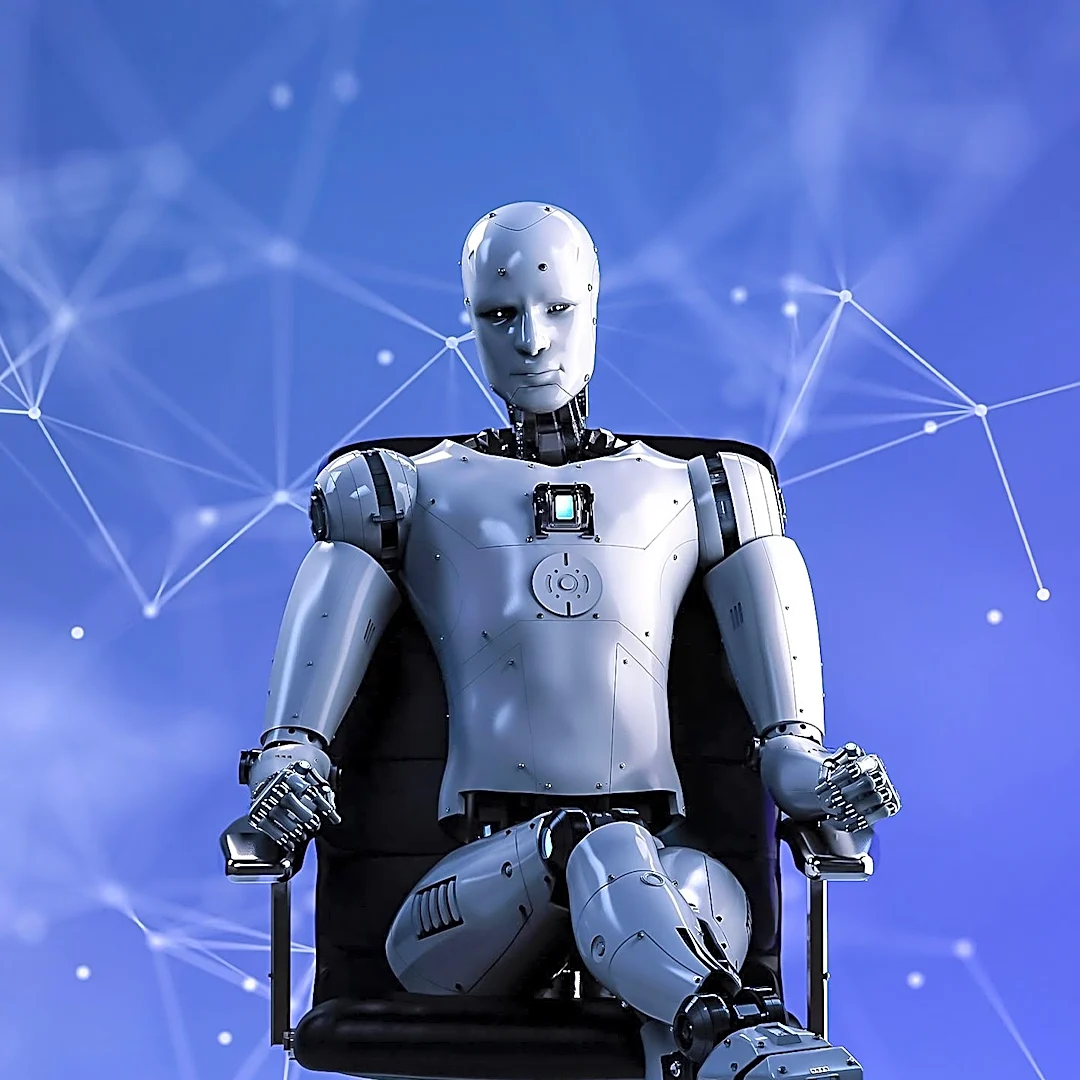
as 56% of Gen Z respondents report this behavior. When asked for their reasoning, 68% stated, 'It’s just my way.' This phenomenon is becoming mainstream, driven by advancements in machine learning and AI models that enable more human-like conversational capabilities. Companies like Anthropic have even announced policies to ban 'cruel' behavior towards their AI, Claude, further highlighting the evolving human-AI dynamic.
Why It's Important?
This emerging trend of politeness towards AI has significant implications for human-computer interaction and the future of technology development in the U.S. The increasing anthropomorphism of AI, coupled with users' willingness to treat it with courtesy, could influence how AI is designed and integrated into daily life. It suggests a potential for deeper emotional connections with AI, which could impact mental health and social dynamics. For businesses, understanding this user behavior is crucial for developing AI that is not only functional but also perceived as empathetic and trustworthy. This shift could also lead to new ethical considerations regarding AI rights and the psychological impact of human-AI relationships.
What's Next?
As AI continues to evolve and become more integrated into daily life, it is likely that the trend of polite interaction will continue to grow. Technology companies may increasingly design AI with features that encourage and respond to polite language, further blurring the lines between human and machine interaction. This could lead to the development of more sophisticated AI companions and assistants that prioritize emotional intelligence and user comfort. Policymakers and ethicists will face ongoing challenges in establishing guidelines for human-AI relationships, particularly concerning the psychological effects on vulnerable users. The debate around AI's role in society and the boundaries of human-like interaction will intensify as these technologies become more pervasive.
Beyond the Headlines
The phenomenon of politeness towards AI delves into deeper psychological and philosophical questions about human nature and our relationship with technology. It highlights our innate tendency to anthropomorphize non-human entities, especially those that exhibit human-like communication. This could lead to a re-evaluation of what constitutes 'consciousness' or 'personhood' in the digital age. The potential for AI to fulfill companionship roles, as seen with apps like c.ai and Replika, raises concerns about the impact on human social connections and the risk of users forming unhealthy attachments to AI. The legislative efforts in various U.S. states to mandate disclosure of non-human status for chatbots underscore the growing recognition of these complex ethical and societal implications, signaling a future where the boundaries between human and artificial intelligence are continually negotiated.