





What's Happening?
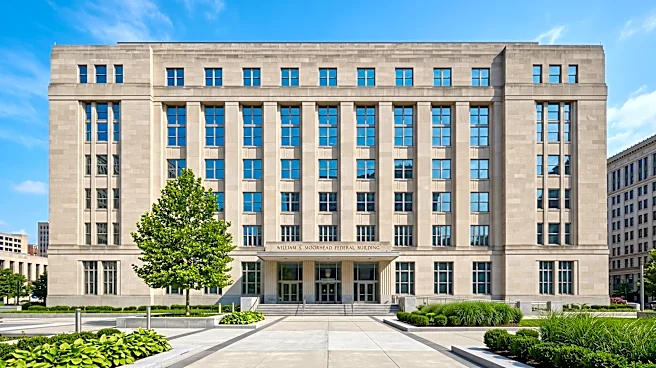
U.S. Senators Dave McCormick (R-PA) and John Fetterman (D-PA) co-hosted a bipartisan field hearing in Pittsburgh to address the growing crisis of loneliness and social isolation among Pennsylvania seniors. The hearing, held at the Moorhead Federal Building,
gathered testimony from aging experts who highlighted the severe impact of isolation on older adults. Witnesses included Shannah Tharp Gilliam of Allegheny County's Area Agency on Aging, Martin Sliwinski from Penn State's Center for Healthy Aging, Feleen Nancarvis of Lancaster Meals on Wheels, and Laura Poskin from the Jewish Healthcare Foundation. Nancarvis reported that approximately one-third of Meals on Wheels clients receive no other social interaction during the week beyond brief volunteer drop-offs. Statistics presented indicated that one in three older adults reports feeling lonely, and nearly one in four adults aged 65 and older are socially isolated, contributing to an estimated $6.7 billion annually in added Medicare spending across Pennsylvania.
Why It's Important?
The issue of senior isolation carries significant implications for public health, social services, and economic stability in Pennsylvania and across the U.S. The hearing underscored that social isolation is linked to increased healthcare costs, with an estimated $6.7 billion in additional Medicare spending in Pennsylvania alone. Furthermore, a University of Pittsburgh forecast projects a 62% increase in residents aged 85 and older in the Pittsburgh region by 2050, while the ratio of potential caregivers to those over 80 is expected to shrink from 5-to-1 to 3-to-1. This demographic shift will place immense strain on existing elder-care infrastructure, potentially leading to higher demand for institutional care and increased public spending. The bipartisan nature of the hearing, featuring senators from opposing parties, signals a recognition of the urgency and non-partisan nature of this societal challenge, potentially paving the way for broader legislative support.
What's Next?
The witnesses at the hearing urged Senators McCormick and Fetterman to increase funding for programs designed to socialize seniors and promote intergenerational interaction. Key recommendations included expanding elder-care infrastructure, improving transportation options for older residents, and creating more meaningful social opportunities. Senator Fetterman has already introduced the Senior Hunger Prevention Act, which aims to expand Supplemental Nutrition Assistance Program (SNAP) benefits and local food-delivery support for older adults and people with disabilities. Senator McCormick indicated he would compile recommendations and seek further information from panelists, with plans to follow up within 30 to 60 days. He also mentioned the possibility of joining existing bills focused on improving senior care. Both senators previously voted to reauthorize the Older Americans Act, though its reauthorization in the U.S. House remains pending, leaving the next legislative steps uncertain.
Beyond the Headlines
The growing crisis of senior isolation highlights deeper societal shifts, including declining volunteerism and economic pressures that limit individuals' ability to provide informal care or engage in community support. Panelists noted that economic constraints prevent many from volunteering, exacerbating the shortage of social interaction for seniors. The discussion also touched upon the quality of social engagement, with experts emphasizing the need for programs that offer genuinely meaningful experiences rather than merely filling time. This suggests a broader re-evaluation of how society supports its aging population, moving beyond basic needs to address mental and emotional well-being. The projected demographic changes underscore a long-term challenge that will require innovative solutions, potentially involving technological advancements, community-based initiatives, and policy reforms to ensure older adults remain connected and supported.