
What's Happening?
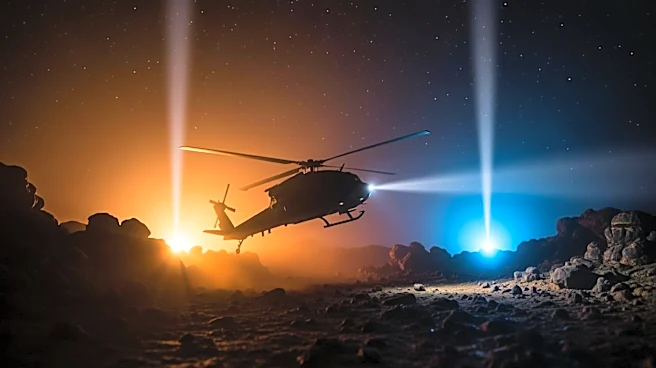
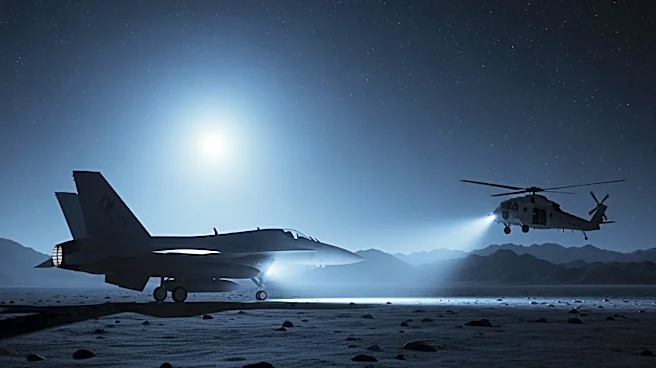
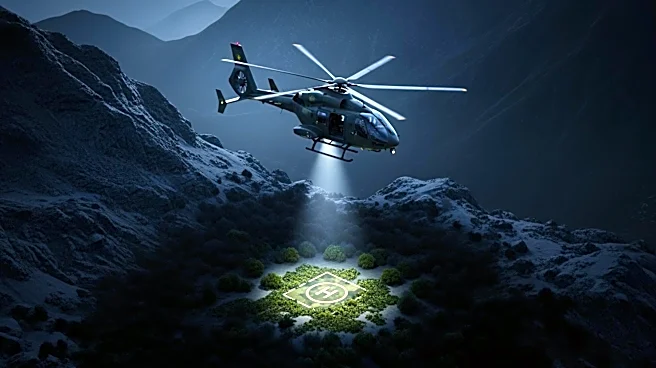
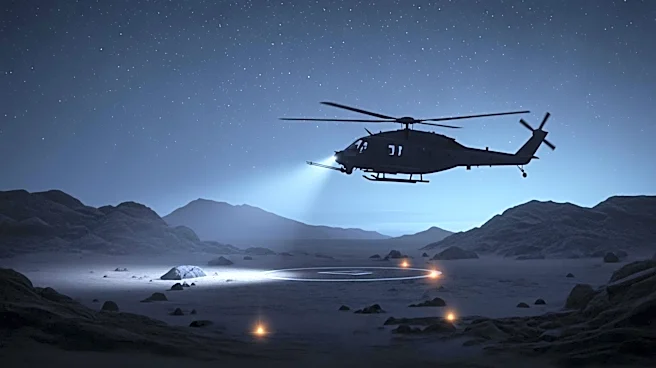
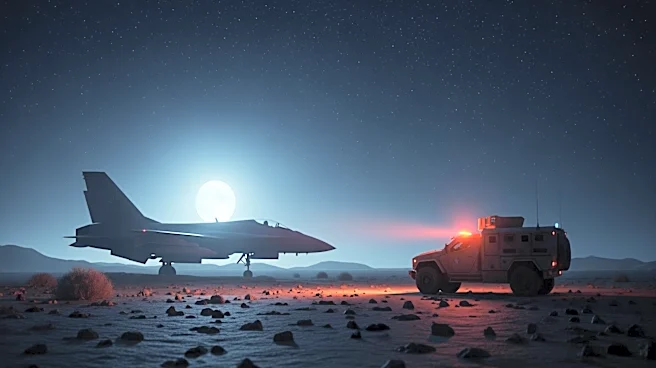
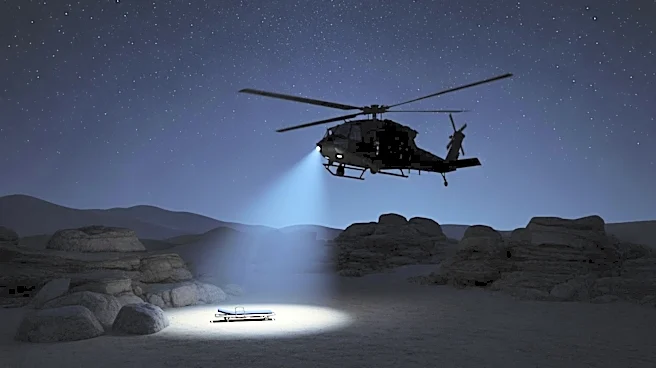
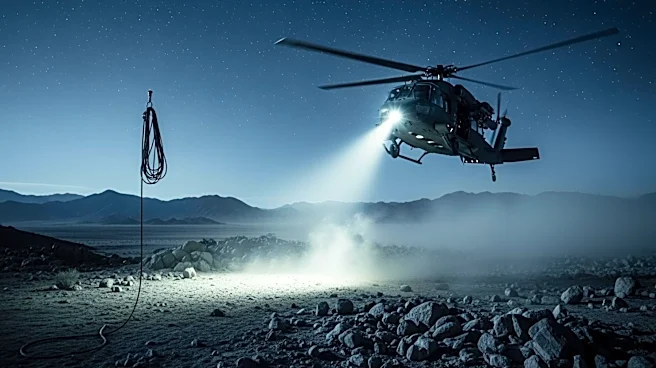
The US Air Force Pararescue unit, known as the 'PJs', successfully executed a high-risk mission to rescue a downed American F-15 fighter jet pilot and navigator in Iran. This elite unit, part of the Joint
Special Operations Command, is renowned for its ability to conduct rescues in hostile environments. The PJs are trained to operate under extreme conditions, providing medical care and executing rescues behind enemy lines. The mission in Iran involved navigating sophisticated air defenses and the constant threat of capture. The PJs have a storied history, with their origins tracing back to World War II, and have completed over 12,000 combat rescue missions since the September 11, 2001 attacks.
Why It's Important?
This mission underscores the critical role of the US Air Force Pararescue unit in military operations, particularly in high-stakes scenarios involving American personnel. The successful rescue highlights the PJs' unique capabilities and extensive training, which include paramedic certification and survival skills. Their ability to operate in denied areas, such as Iran, demonstrates the US military's commitment to recovering its personnel, regardless of the risks. This operation also reflects the strategic importance of maintaining elite rescue forces capable of executing complex missions in geopolitically sensitive regions.
What's Next?
The successful completion of this mission may lead to increased recognition and support for the PJs within the military and government. It could also prompt a review of current rescue protocols and training programs to ensure readiness for future operations in hostile territories. Additionally, the mission may influence diplomatic relations between the US and Iran, as such operations can escalate tensions. The military may also assess the need for technological advancements to enhance the safety and efficiency of future rescue missions.
Beyond the Headlines
The PJs' mission in Iran highlights broader ethical and strategic considerations in military operations. The willingness to risk lives for the rescue of personnel reflects a deep commitment to the military ethos of leaving no one behind. This operation also raises questions about the balance between military objectives and diplomatic relations, particularly in regions with complex geopolitical dynamics. The PJs' role in such missions underscores the importance of specialized training and the psychological resilience required to operate in extreme conditions.