


What's Happening?
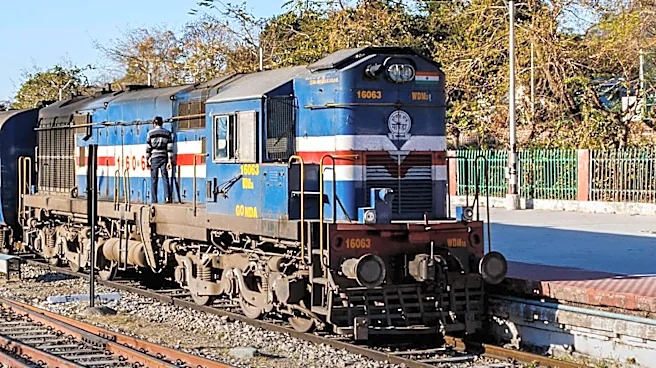
Russia is considering the development of a direct rail connection to India as part of its strategy to enhance trade connectivity and reduce reliance on maritime routes. Russian Deputy Prime Minister Marat Khusnullin suggested exploring a rail corridor
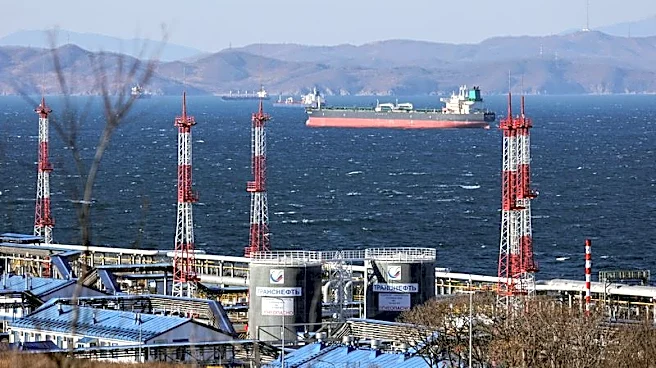
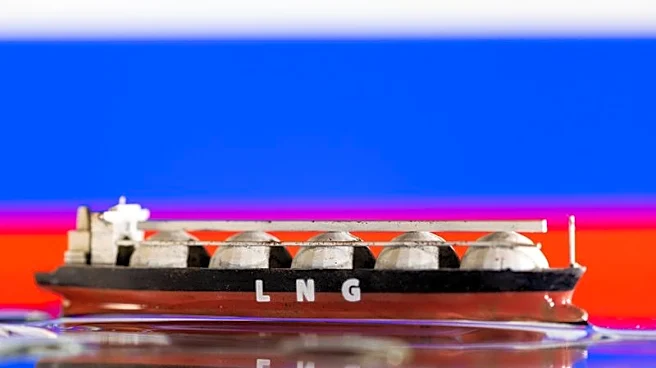
that could pass through Turkmenistan, Iran, Afghanistan, and Pakistan. This proposal aims to provide an alternative to the strategically sensitive Strait of Hormuz, a major chokepoint for global oil and gas shipments. The initiative reflects Russia's broader efforts to expand land-based transport corridors and mitigate geopolitical risks associated with maritime routes.
Why It's Important?
The proposed rail link between Russia and India could significantly alter trade dynamics in the region by providing a more stable and secure route for goods. This development could reduce dependency on maritime routes that are vulnerable to geopolitical tensions and disruptions. For Russia, it represents an opportunity to strengthen economic ties with India and diversify its trade routes. The project could also have implications for regional cooperation and infrastructure development, potentially involving multiple countries in Central and South Asia.
What's Next?
The feasibility of the rail link will depend on infrastructure availability, political agreements, and security conditions across the proposed route. If pursued, the project would require substantial investment and coordination among the involved countries. The next steps may include detailed feasibility studies, diplomatic negotiations, and securing funding for the project. The outcome could influence regional trade patterns and geopolitical alliances.