




What's Happening?
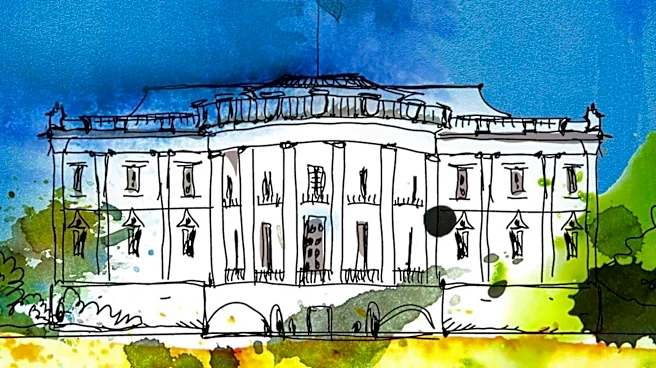
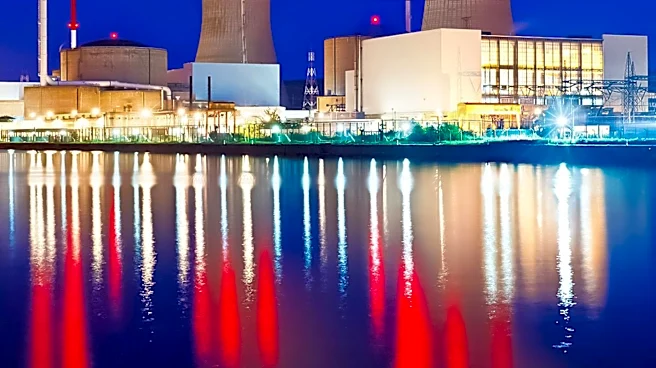
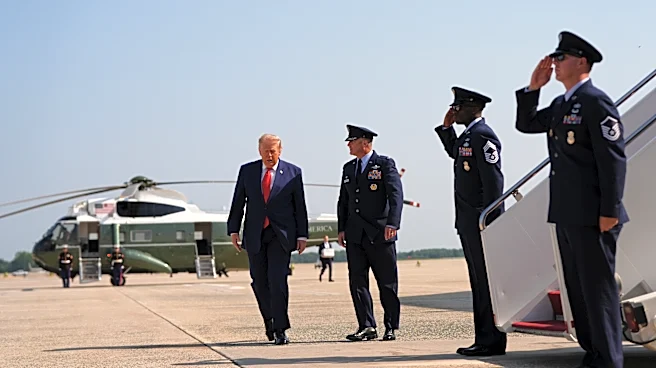
President Donald Trump hosted executives from nuclear power companies at the White House to celebrate a significant milestone in the U.S. nuclear power sector. This event marked the success of a pilot program initiated by Trump, which aimed to have four
new nuclear reactors operational by July 4. The meeting underscored the administration's commitment to accelerating the growth of nuclear power in the United States. During the event, Trump also addressed various other issues, including potential tariffs on Mexico due to a parasite found in lettuce and on Canada due to wildfire smoke affecting the U.S. Additionally, Trump discussed ongoing talks with Iran to end the war and commented on the situation in Venezuela, stating that the country is not ready for elections yet.
Why It's Important?
The celebration of new nuclear reactors highlights the administration's focus on expanding domestic energy production, which could have significant implications for the U.S. energy sector. By promoting nuclear power, the administration aims to reduce reliance on fossil fuels and enhance energy security. The potential tariffs on Mexico and Canada reflect the administration's approach to using trade measures to address health and environmental concerns. Trump's comments on Iran and Venezuela indicate ongoing foreign policy challenges and the administration's strategies to address them. These developments could impact U.S. relations with these countries and influence domestic political dynamics, especially as the administration navigates economic and geopolitical pressures.
What's Next?
The administration's focus on nuclear energy is likely to continue, with potential further investments and regulatory changes to support the sector. The proposed tariffs on Mexico and Canada could lead to trade tensions, prompting responses from these countries. The ongoing talks with Iran may result in diplomatic developments, affecting regional stability and U.S. foreign policy. In Venezuela, the U.S. may continue to exert influence to facilitate elections, impacting the country's political landscape. Domestically, these issues could influence public opinion and political debates, particularly as the administration seeks to address economic and security challenges.