




What's Happening?
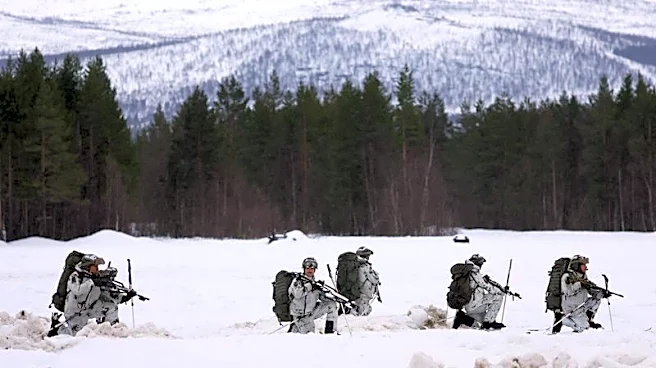
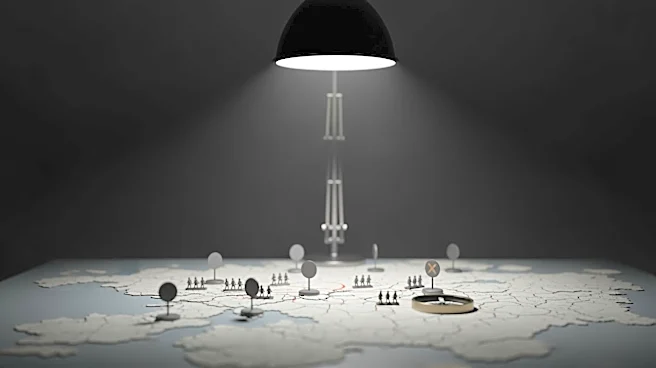
The Trump administration is contemplating a strategic shift in U.S. military presence in Europe, potentially relocating troops from NATO countries deemed unsupportive during the Iran conflict. This proposal, reported by The Wall Street Journal, aims to
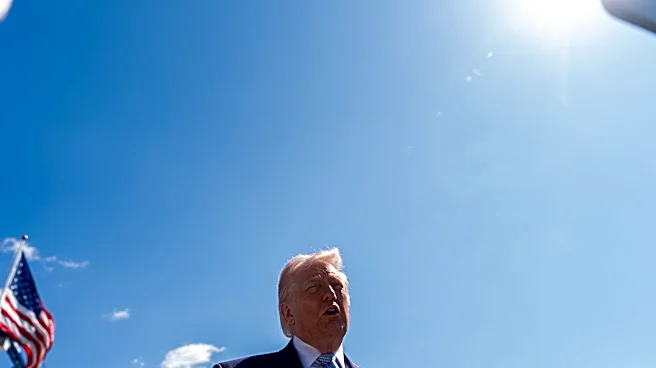
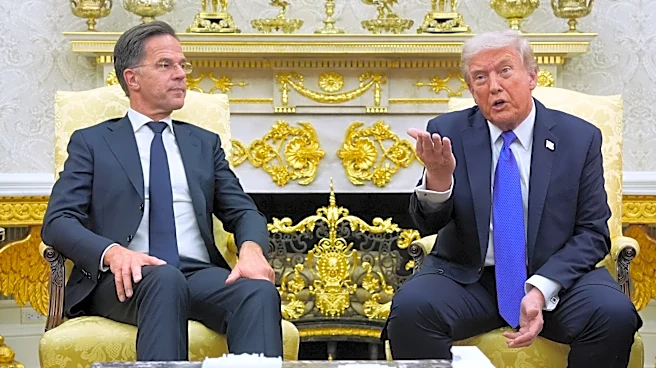
move U.S. forces to nations like Poland, Romania, Lithuania, and Greece, which have shown stronger support for U.S. military campaigns. The plan stops short of President Trump's previous threats to withdraw the U.S. from NATO entirely, a move that would require congressional approval. The discussions highlight growing tensions between the U.S. and European allies, exacerbated by the Iran war and differing stances on military cooperation. NATO Secretary-General Mark Rutte recently met with President Trump in Washington to address these strains, with Trump expressing disappointment over NATO's response to the conflict.
Why It's Important?
This potential realignment of U.S. military forces could significantly impact NATO's cohesion and the strategic balance in Europe. By shifting troops to more supportive countries, the U.S. may strengthen alliances with Eastern European nations, but it risks alienating traditional Western European allies. This move could also influence NATO's collective defense posture, especially in the context of ongoing tensions with Russia and the need for a unified response to global security threats. The decision reflects broader geopolitical dynamics and the Trump administration's approach to international alliances, emphasizing transactional relationships over traditional multilateral cooperation.
What's Next?
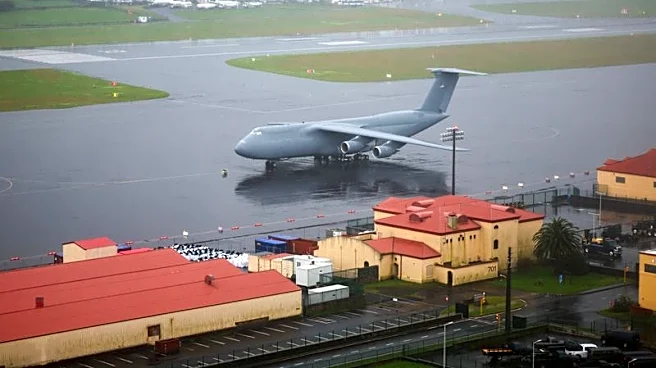
If the proposal advances, it could lead to a reevaluation of NATO's strategic priorities and defense commitments. European countries may need to reassess their military spending and contributions to the alliance to maintain U.S. support. Additionally, the potential closure of U.S. bases in countries like Germany or Spain could have economic and security implications for those regions. The ongoing discussions between U.S. and NATO officials will be crucial in determining the future of transatlantic relations and the alliance's ability to address emerging security challenges.