



What's Happening?
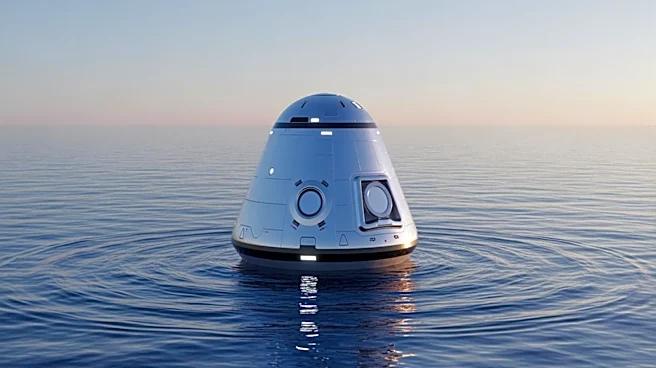
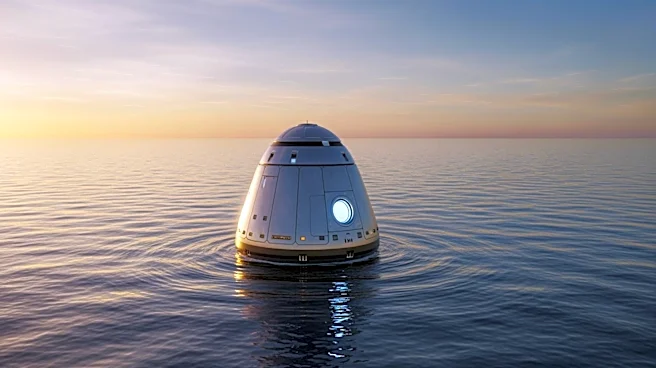
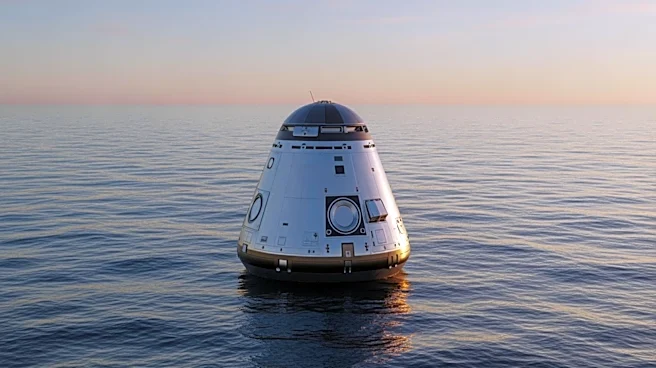
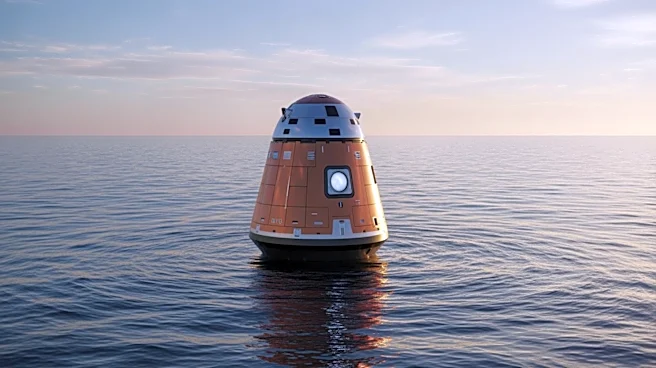
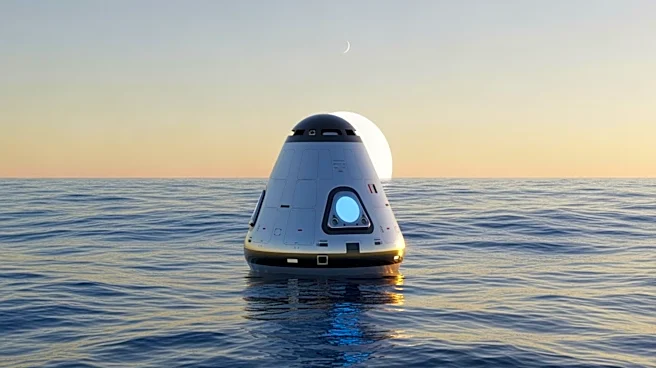
NASA's Artemis II mission has successfully concluded with the Orion spacecraft splashing down in the Pacific Ocean near Southern California on April 10, 2026. The mission, which included astronauts Reid Wiseman, Victor Glover, Christina Koch, and Jeremy
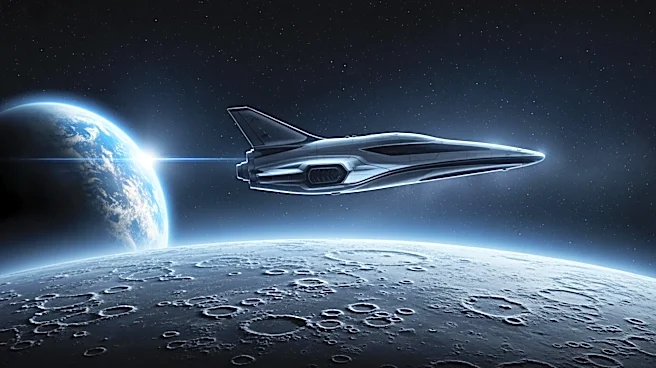
Hansen, marked a significant milestone as it was the first human journey around the Moon since the Apollo 17 mission in 1972. The spacecraft traveled approximately 690,000 miles over nine days. The re-entry was executed at speeds close to 25,000 miles per hour, and the astronauts were safely recovered by Navy divers and transported to shore.
Why It's Important?
The successful completion of the Artemis II mission is a critical step in NASA's long-term goal of returning humans to the Moon and eventually sending astronauts to Mars. This mission tested the spacecraft's systems and re-entry capabilities, providing valuable data for future missions. It also represents a significant achievement in international collaboration, as the mission included astronauts from both NASA and the Canadian Space Agency. The success of Artemis II boosts confidence in the Artemis program and its potential to advance human space exploration.
What's Next?
NASA is now preparing for the Artemis III mission, which will focus on testing Orion's docking capabilities with other spacecraft in low-Earth orbit. This mission is a crucial precursor to landing astronauts on the Moon. Details about the mission and its crew will be announced as the 2027 launch date approaches. The continued success of the Artemis program will depend on technological advancements and international partnerships.