



What's Happening?
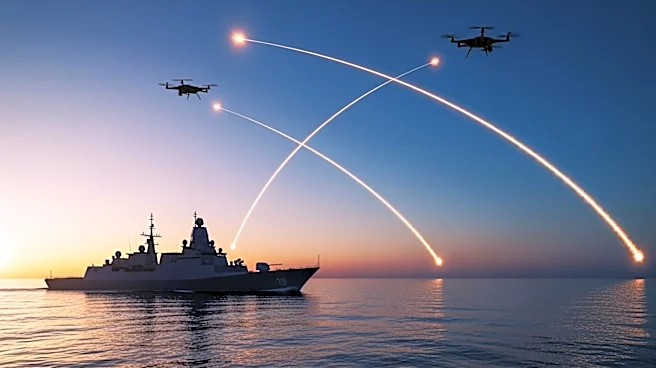
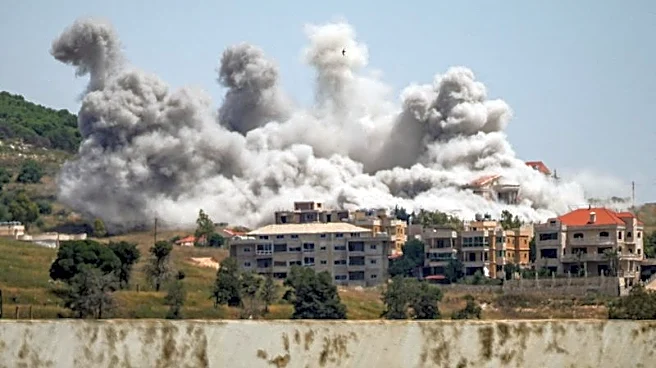
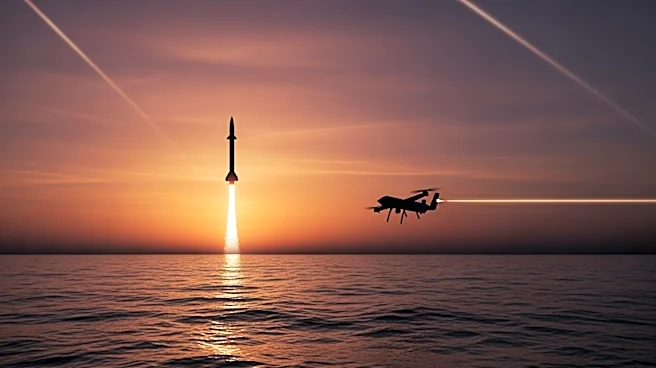
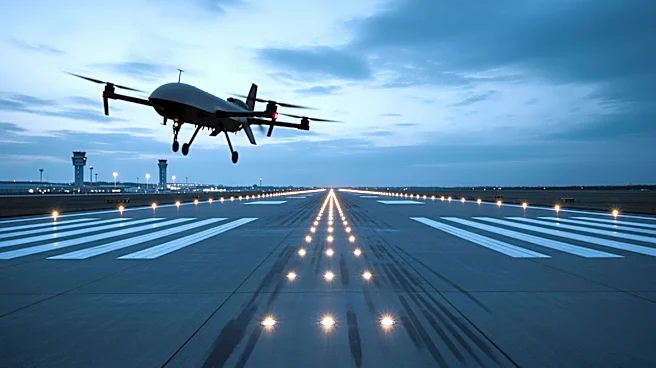
Iran launched ballistic missiles and drones targeting Bahrain and Kuwait, which were intercepted, according to Bahrain's government. This action is seen as a serious escalation in the region. The U.S. military responded by shooting down several Iranian
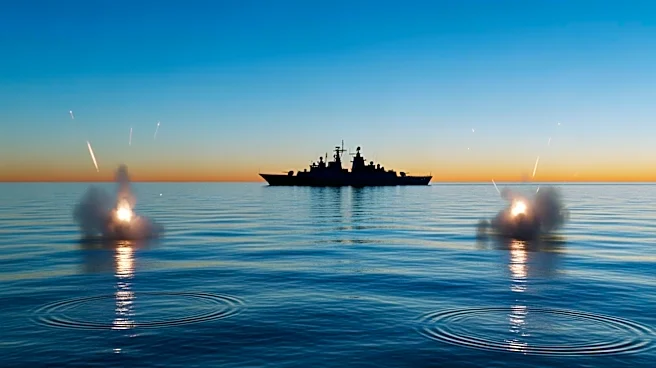
missiles and drones aimed at the Strait of Hormuz and Gulf Arab allies, and targeted Iranian coastal surveillance radar sites. The U.S. Central Command stated that the attack drones posed an immediate threat to regional maritime traffic. Iran's Revolutionary Guard claimed responsibility for targeting U.S. military bases in Kuwait and Bahrain. This exchange of fire comes amid ongoing tensions between the U.S. and Iran, with the Trump administration pushing for a deal to end the conflict that has impacted the global economy.
Why It's Important?
The escalation of military actions between Iran and the U.S. in the Gulf region has significant implications for global oil and natural gas shipments, as the Strait of Hormuz is a critical corridor for these resources. The conflict has led to increased energy prices, posing political challenges for President Trump and his administration, especially ahead of the midterm congressional elections. The situation also affects international relations and stability in the Middle East, with potential repercussions for global markets and diplomatic efforts. The ongoing conflict and blockade of Iranian ports by the U.S. could further strain international trade and economic stability.
What's Next?
The Trump administration is under pressure to resolve the conflict with Iran, with negotiations ongoing to extend the ceasefire and address Iran's nuclear program. However, President Trump has called for changes to the tentative agreement, and Iranian officials have not publicly agreed to these terms. The situation remains volatile, with potential for further military engagements or diplomatic breakthroughs. The outcome of these negotiations will be crucial in determining the future of U.S.-Iran relations and regional stability.
Beyond the Headlines
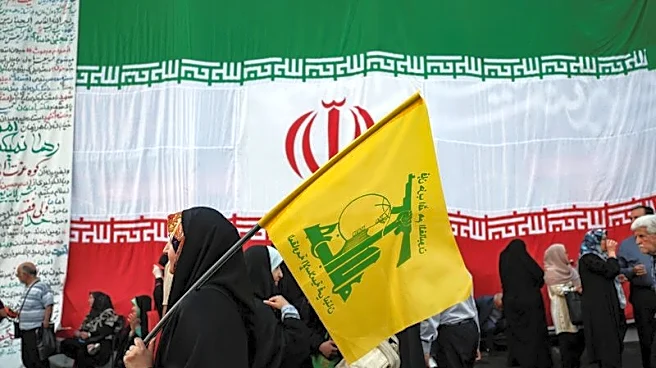
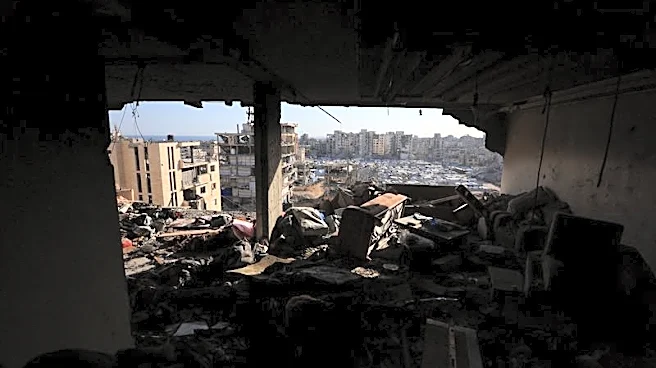
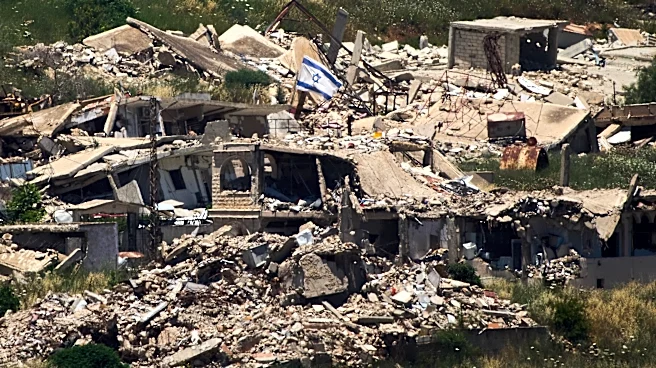
The conflict highlights the complex geopolitical dynamics in the Middle East, involving not only the U.S. and Iran but also regional players like Israel and Hezbollah. The situation in Lebanon, where Israeli forces are active, adds another layer of complexity to the ceasefire efforts. The broader implications of this conflict include the potential for shifts in alliances and power balances in the region, as well as the impact on global energy markets and international diplomatic relations.