



What's Happening?
Paris, the capital of France, continues to be a premier global destination, celebrated for its rich history, art, fashion, and gastronomy. Known as the 'City of Light,' Paris is characterized by its grand Haussmann boulevards, tree-lined quays, historic
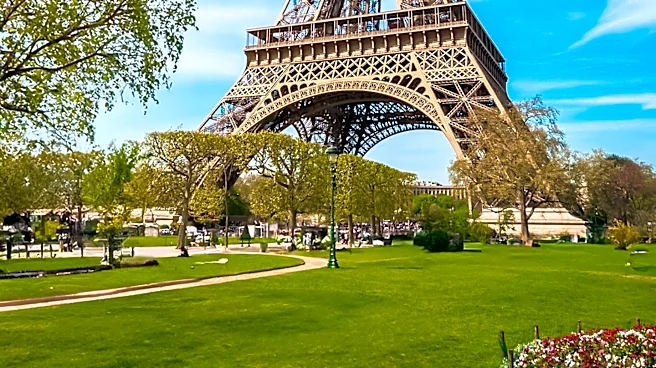
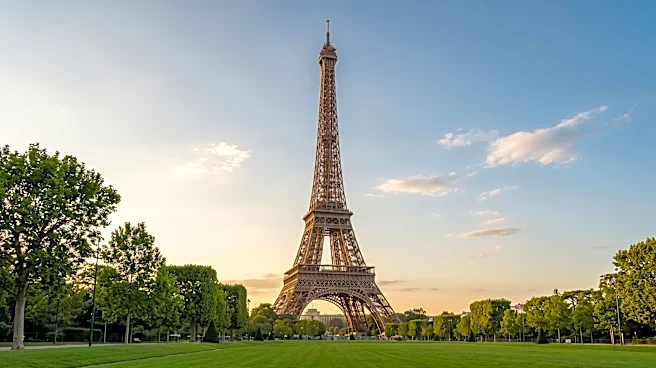
bridges, and vibrant pavement cafes. The city is divided into twenty arrondissements, each offering unique experiences. Key attractions include the Eiffel Tower, the Louvre Museum, and Notre-Dame Cathedral. The city's compact center is highly walkable and bike-friendly, making it easy for visitors to explore its numerous cultural sites such as the Panthéon, Jardins du Luxembourg, and the Musée d'Orsay. Paris is well-connected internationally through Charles de Gaulle (CDG) and Orly (ORY) airports, with efficient public transport options like the Metro and RER trains facilitating movement within the city and connecting to high-speed TGV trains and the Eurostar for broader European access.
Why It's Important?
Paris's enduring appeal as a tourist destination significantly impacts the global tourism industry and cultural exchange. Its status as a 'global capital of art, fashion, and gastronomy' draws millions of visitors annually, contributing substantially to its local economy through hospitality, retail, and cultural sectors. The city's well-developed infrastructure, including its extensive public transportation network and international airports, underscores its role as a major international gateway. The preservation and promotion of its iconic landmarks and cultural institutions, such as the Louvre and Notre-Dame, are crucial for maintaining its cultural heritage and attracting future generations of tourists and scholars. The economic activity generated by tourism supports numerous businesses and employment opportunities, from hotels and restaurants to museums and tour operators, making Paris a vital player in the global service economy.
What's Next?
Paris is expected to continue its efforts in maintaining and enhancing its tourist infrastructure and cultural offerings. Ongoing restoration projects, such as that of Notre-Dame Cathedral, will likely draw renewed interest upon completion. The city will also continue to host major international events, further solidifying its position as a global hub. Efforts to promote sustainable tourism and manage visitor flow will likely be a focus, especially given the high volume of tourists. The continuous evolution of its culinary and fashion scenes will also ensure its relevance as a trendsetter. Furthermore, improvements in public transport and accessibility will likely continue to be a priority to accommodate both residents and the influx of international visitors, ensuring that Paris remains an easily navigable and attractive destination.
Beyond the Headlines
Beyond its immediate economic impact, Paris's cultural significance extends to its influence on global trends in art, fashion, and cuisine. The city serves as a benchmark for urban planning and architectural preservation, with its Haussmannian boulevards and historic districts inspiring urban development worldwide. The concentration of world-class museums and educational institutions fosters intellectual and artistic exchange, contributing to a broader understanding of human history and creativity. The city's commitment to public spaces, such as its numerous parks and cafes, reflects a lifestyle that values leisure and social interaction, influencing urban design and cultural practices globally. Paris also plays a critical role in diplomatic and international relations, hosting numerous international organizations and conferences, which further elevates its global standing beyond tourism.