





What's Happening?
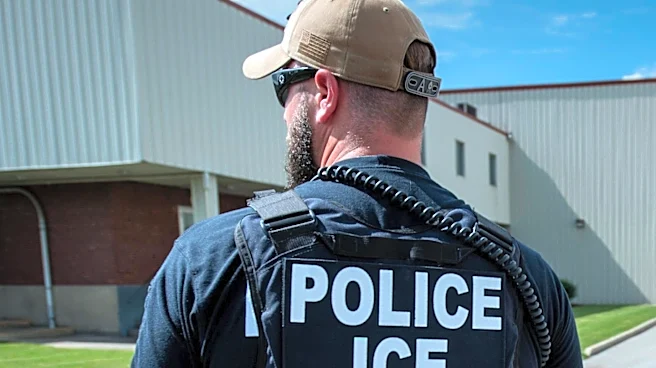
Sister Leticia Ugboaja, a Roman Catholic nun, was detained by U.S. Immigration and Customs Enforcement (ICE) while walking to Our Lady of Sorrows church in McAllen, Texas. The incident occurred near the U.S.-Mexico border, and the nun was dressed in her
religious habit at the time. The detention sparked immediate concern and intervention from local members of Congress, including U.S. House member Monica De La Cruz. Sister Ugboaja, who is also a registered nurse, was released later the same day after the intervention. The U.S. Department of Homeland Security and ICE have not provided comments on the incident. The arrest and subsequent release highlight ongoing tensions surrounding immigration enforcement under President Trump's administration, particularly at sensitive locations such as places of worship.
Why It's Important?
The detention of Sister Ugboaja underscores the heightened immigration enforcement measures under President Trump's administration, which have been controversial, especially when they occur at sensitive sites like churches. This incident has raised concerns among faith leaders and communities about the safety and freedom of movement for individuals in religious settings. The quick intervention by local lawmakers reflects the political sensitivity and potential backlash against such enforcement actions. The broader implications include increased fear among immigrant communities and potential changes in how religious institutions operate, with some encouraging online participation to avoid similar incidents.
What's Next?
The incident may prompt further discussions and potential policy reviews regarding ICE's enforcement protocols, especially in sensitive areas. Faith leaders and community advocates might push for clearer guidelines to prevent similar occurrences. Additionally, there could be increased advocacy for legislative changes to protect religious and community spaces from immigration enforcement actions. The response from the Department of Homeland Security and ICE, if forthcoming, could influence future enforcement strategies and community relations.