

What's Happening?
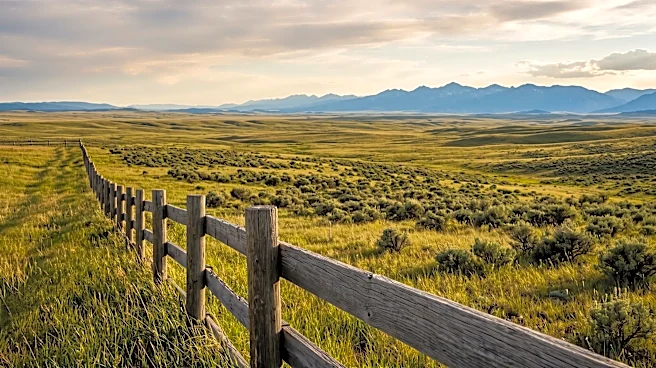
The U.S. Forest Service is highlighting the enduring relationship between ranching families and public lands on Pole Mountain in the Medicine Bow National Forest, near Laramie, Wyoming. Jim and Iris Willadsen, aged 91 and 90 respectively, exemplify this
long-standing connection, with Jim's family being among the first to receive a grazing permit on Pole Mountain. The 55,000-acre area, now a popular recreation spot, has seen significant changes over nearly a century, from gravel roads and military control to increased public access. Despite these transformations, the Willadsens and other ranching families, such as the Bonhams and Landers, have continued to steward the land. Their operations rely on higher-elevation public lands for summer forage, preserving lower private lands for other seasons. This practice, rooted in the limitations of the 1862 Homestead Act in Wyoming's arid climate, underscores the necessity of public land grazing for the economic viability of many ranches.
Why It's Important?
The story of Pole Mountain illustrates the critical role of public lands in sustaining the U.S. ranching industry, particularly in the Western states. Grazing permits issued by the Forest Service allow ranchers to maintain their livelihoods, which in turn helps preserve private ranches and open spaces surrounding public lands. This system supports the food supply chain and contributes to the economic stability of rural communities. The balance between livestock grazing, wildlife habitat, watershed protection, and recreation on these multi-use lands is complex and requires close collaboration between ranchers and the Forest Service. The article emphasizes that responsible grazing practices, including pasture rotations and monitoring, contribute to the health of rangelands, which are vital for clean drinking water, clean air, and biodiversity. The continued success of these partnerships is essential for both environmental conservation and agricultural productivity in the region.
What's Next?
The future of public land grazing on Pole Mountain, and similar areas across the U.S., will continue to involve balancing increasing recreational use with traditional ranching practices. Ranchers like Mark Eisele, president of the Pole Mountain Cattlemen's Association, emphasize the need for ongoing interaction and coordination among all stakeholders to ensure the health of the landscape. The adoption of new technologies, such as virtual fencing collars, suggests a trend towards more precise and environmentally sensitive grazing management. As generations of ranching families, like the Landers and Bonhams, look to pass on their operations, the ability to secure and manage grazing permits on public lands will remain crucial. The Forest Service will likely continue to facilitate these partnerships, adapting management strategies to address evolving environmental conditions, such as drought, and increasing demands from diverse public land users, ensuring the long-term sustainability of these shared resources.
Beyond the Headlines
The narrative of Pole Mountain delves into the deeper cultural and historical significance of land stewardship in the American West. It highlights how ranching is not merely an economic activity but a way of life deeply intertwined with the landscape and community. The challenges faced by ranchers, such as increased public use and the need for continuous adaptation to environmental changes, reflect broader societal shifts in how public lands are valued and utilized. The concept of 'leaving it the way you found it, and maybe making an improvement,' as articulated by Jim Willadsen, encapsulates a profound ethic of conservation and intergenerational responsibility. This story underscores the importance of understanding and respecting the diverse uses of public lands, fostering collaboration among different user groups, and recognizing the invaluable, often unseen, contributions of traditional land managers to the ecological and economic well-being of the nation.