






What's Happening?
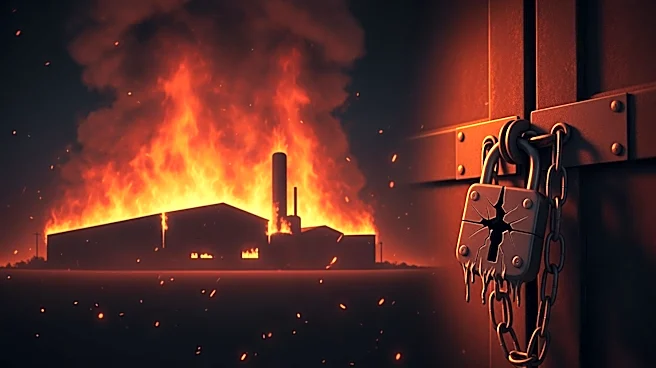
A viral video showing a person allegedly setting fire to a California warehouse filled with Kimberly-Clark Corp. toilet paper is under investigation by local authorities. The San Bernardino County District Attorney's Office is reviewing the video, which
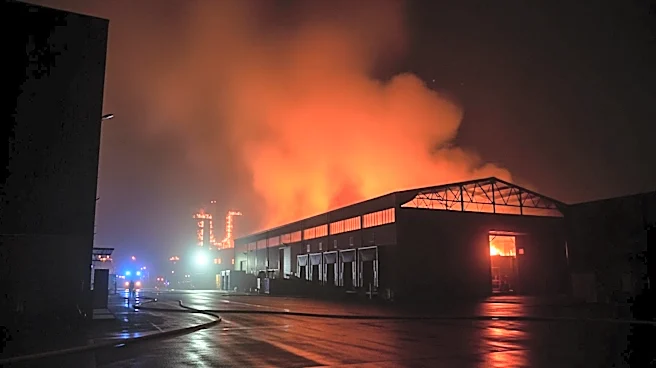
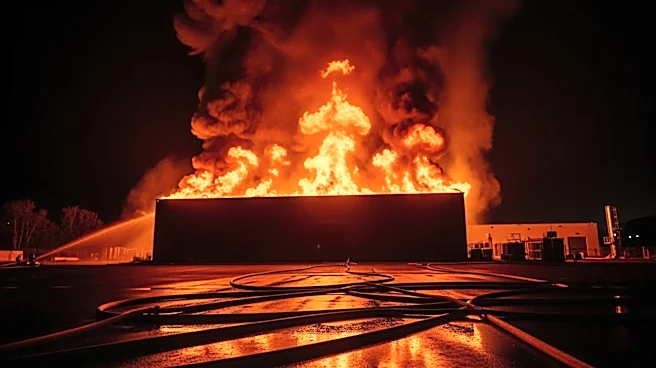
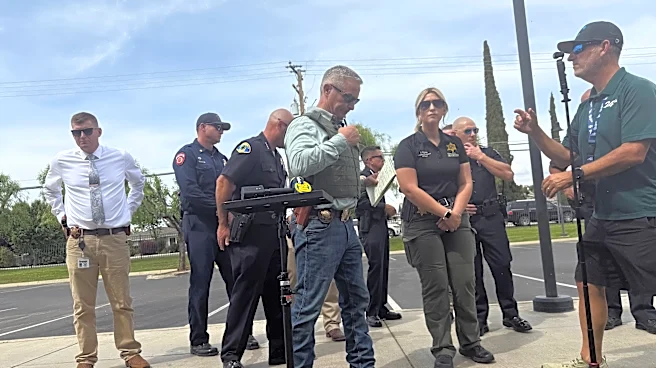
was posted on social media platforms like Reddit and Instagram. The video features an unidentified man claiming, 'all you had to do was pay us enough to live,' as pallets of toilet paper catch fire. The suspect, Chamel Abdul-Karim, a 29-year-old employee of a third-party logistics provider for Kimberly-Clark, has been arrested on multiple arson-related charges. The fire, which occurred earlier this week, led to the collapse of the warehouse roof and a total loss of the products inside. The facility serviced an area with an estimated 50 million people. Kimberly-Clark is taking steps to mitigate the impact, including identifying alternative shipping locations and securing additional warehouse capacity.
Why It's Important?
The incident highlights the vulnerability of supply chains to disruptions caused by criminal activities. The destruction of the warehouse could lead to supply shortages and impact sales, affecting both Kimberly-Clark and consumers who rely on their products. The case also underscores the role of social media in criminal investigations, as viral content can provide crucial evidence. The arrest of Abdul-Karim raises questions about employee grievances and workplace conditions, which may have contributed to the alleged arson. The situation serves as a reminder for companies to ensure robust security measures and address employee concerns to prevent similar incidents.
What's Next?
Authorities will continue to investigate the video's authenticity and its connection to Abdul-Karim. The outcome of the investigation could lead to further legal actions and potentially influence how companies handle employee relations and security protocols. Kimberly-Clark's efforts to maintain product supply will be closely monitored, as any prolonged disruption could have broader economic implications. The case may also prompt discussions on the role of social media in law enforcement and the ethical considerations of sharing potentially incriminating content online.