
What's Happening?
The U.S. Forest Service has initiated prescribed burn operations in the Shasta-Trinity National Forest, located near Redding, California. These operations, which began on February 9, 2026, are scheduled
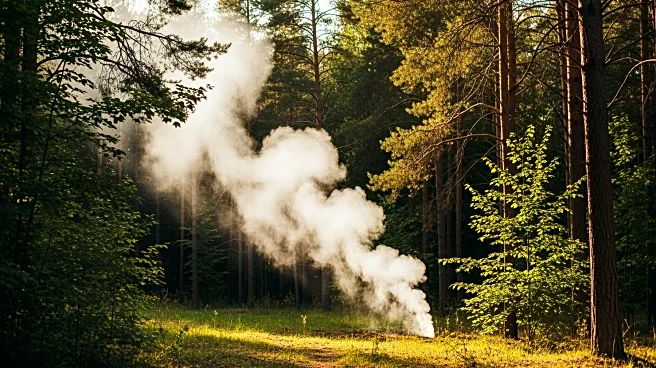
to continue through February 13, contingent on favorable weather conditions. The prescribed burns aim to reduce overgrown vegetation, thereby mitigating the risk of wildfires that could threaten local communities, infrastructure, and natural resources. The operations are taking place in two primary locations: the Gateway Trails system near Mount Shasta and along a 35-acre stretch of Interstate 5 near Holiday Harbor. Motorists and residents in the area may notice smoke and are advised to drive cautiously, using headlights when visibility is reduced. The Forest Service has indicated that the burns may be canceled if weather conditions are not conducive.
Why It's Important?
Prescribed burns are a critical tool in forest management, particularly in regions prone to wildfires. By reducing excess vegetation, these controlled fires help prevent larger, uncontrolled wildfires that can cause significant damage to ecosystems, property, and human life. The operations in Shasta-Trinity National Forest are part of broader efforts to enhance the resilience of forested areas against the increasing threat of wildfires, which have been exacerbated by climate change. Successful execution of these burns can protect local communities and preserve natural resources, potentially saving millions in firefighting costs and reducing the environmental impact of large-scale wildfires.
What's Next?
The U.S. Forest Service will continue to monitor weather conditions closely to determine the feasibility of ongoing and future prescribed burns. Residents and motorists in the area are encouraged to stay informed through the Shasta-Trinity National Forest website and social media channels. Additionally, county emergency management officials will be notified when burning activities commence. The outcomes of these operations may influence future forest management strategies and policies aimed at wildfire prevention.