



What's Happening?
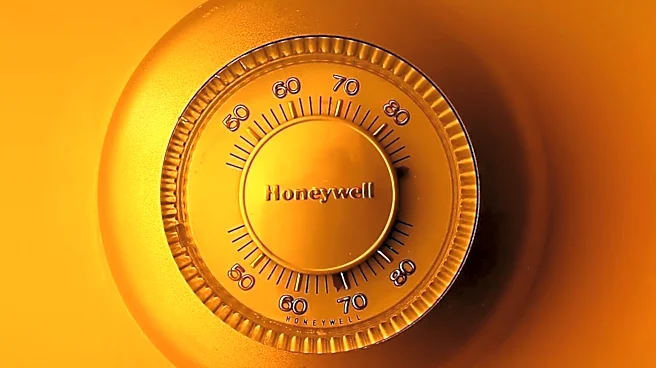
Smart thermostats are revolutionizing how heat pumps operate by employing 'Adaptive Recovery' or 'Smart Recovery' features, which prevent the inefficient use of auxiliary heat strips. Unlike traditional thermostats that demand sudden temperature increases,
smart thermostats learn a home's thermal envelope and outdoor weather conditions. This allows them to initiate heating cycles earlier and raise temperatures in small, gradual increments. For instance, instead of waiting until 6:00 AM to demand a five-degree jump, a smart thermostat might start heating at 4:15 AM, slowly increasing the temperature. This method ensures the heat pump relies solely on its efficient outdoor compressor, avoiding the high energy consumption associated with electric resistance strips. This is particularly beneficial in regions like Carnegie, PA, where fluctuating autumn temperatures often trigger auxiliary heat in traditional systems. Smart thermostats also offer features like geofencing and remote monitoring, further optimizing energy use and providing peace of mind.
Why It's Important?
The adoption of smart thermostats with adaptive recovery is crucial for homeowners using heat pumps, as it directly addresses the 'auxiliary heat trap'—a common issue where traditional thermostats inadvertently cause significant energy waste. Electric resistance strips, while effective for rapid heating, consume massive amounts of power, often negating any energy savings from nighttime temperature setbacks. By preventing the activation of these strips, smart thermostats can lead to substantial reductions in electricity bills and a lower carbon footprint for households. This technology empowers consumers to maintain comfort without sacrificing efficiency, especially in climates with variable temperatures. For the HVAC industry, this represents a shift towards more intelligent and energy-efficient solutions, potentially increasing demand for advanced thermostat installations and related services. Homeowners stand to gain financially through lower utility costs and improved system longevity, as the heat pump operates more consistently within its efficient parameters.
What's Next?
As smart thermostat technology continues to advance, further integration with broader smart home ecosystems is expected, offering more comprehensive energy management solutions. Homeowners are encouraged to verify that 'Adaptive Recovery' or 'Early Start' features are enabled in their smart thermostat settings. For those with traditional programmable thermostats, the recommendation is to limit nighttime temperature setbacks to no more than two degrees and extend recovery times to avoid triggering auxiliary heat. Professional HVAC technicians will play an increasingly vital role in configuring these advanced systems, especially in regions with specific climate challenges, ensuring optimal performance and energy savings. The market will likely see continued innovation in features such as occupancy sensing and humidity control, further enhancing comfort and efficiency.
Beyond the Headlines
The shift towards smart thermostats highlights a broader trend in home automation and energy conservation, moving beyond simple programmable schedules to intelligent, adaptive systems. This evolution raises questions about data privacy, as these devices collect detailed information about household energy consumption and occupancy patterns. Furthermore, the reliance on sophisticated algorithms for optimal performance underscores the importance of proper installation and configuration by qualified professionals, particularly for complex HVAC systems like multi-stage heat pumps. The ethical implications of automated energy management, such as potential discomfort if algorithms prioritize savings over immediate comfort, will also become more prominent. Ultimately, these technologies are driving a cultural change in how homeowners interact with their energy systems, fostering greater awareness and control over their environmental impact.