

What's Happening?
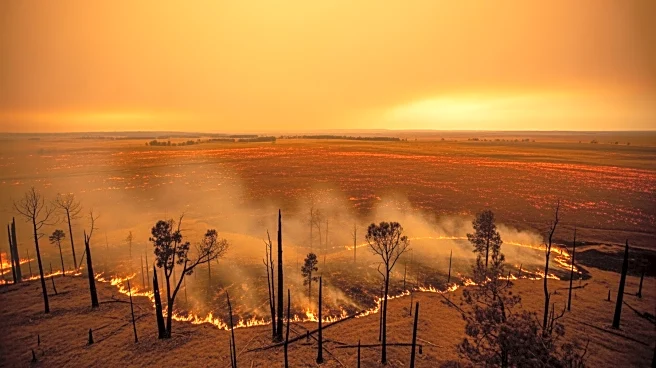
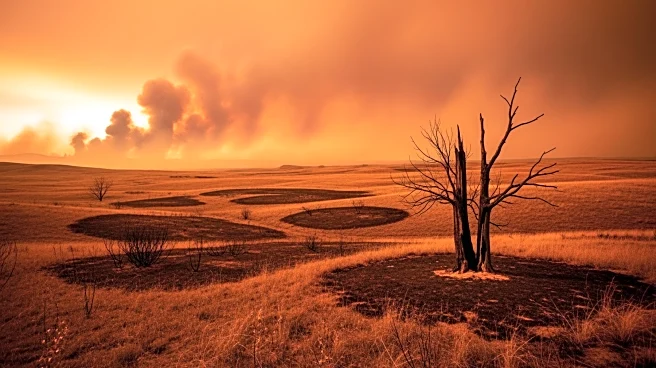
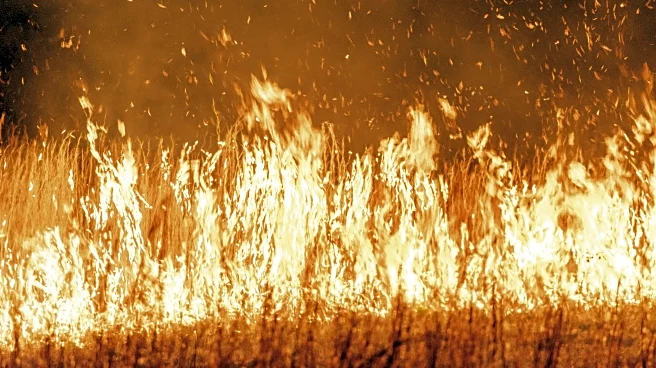
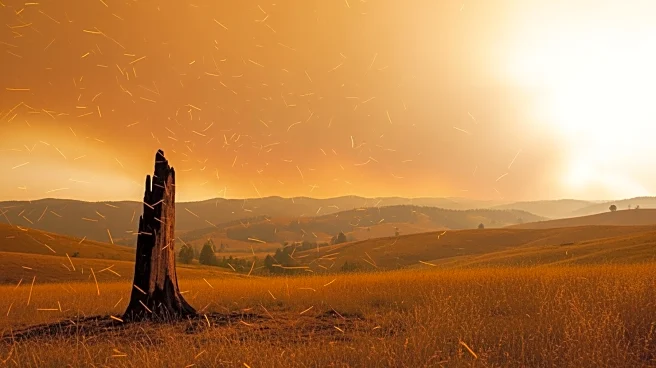
A severe weather system is causing significant disruptions across the United States, with deadly wildfires and high winds affecting Oklahoma, Kansas, and Texas, while a blizzard threatens the Midwest. The storm system has led to life-threatening flash
floods, massive mountain snow, and damaging winds in California, particularly impacting the Los Angeles Basin. Emergency services are stretched thin as they respond to multiple incidents, including vehicles trapped in floodwaters and mudslides blocking roads. Authorities have issued evacuation warnings for areas prone to debris flows, especially those affected by recent wildfires. The storm has also caused closures of major roads and attractions, including Interstate 80 and Six Flags Magic Mountain.
Why It's Important?
The severe weather events highlight the increasing frequency and intensity of climate-related disruptions in the U.S., affecting public safety, infrastructure, and the economy. The wildfires and blizzards pose immediate threats to human life and property, while the broader implications include potential long-term impacts on regional economies and the need for improved disaster preparedness and response strategies. The situation underscores the importance of addressing climate change and investing in resilient infrastructure to mitigate future risks.
What's Next?
As the storm system continues to move across the country, further disruptions are expected, with potential for additional evacuations and road closures. Emergency services will remain on high alert, and residents in affected areas are advised to stay informed and prepared for changing conditions. The ongoing weather events may prompt discussions among policymakers and stakeholders about enhancing climate resilience and disaster response capabilities.