
What's Happening?
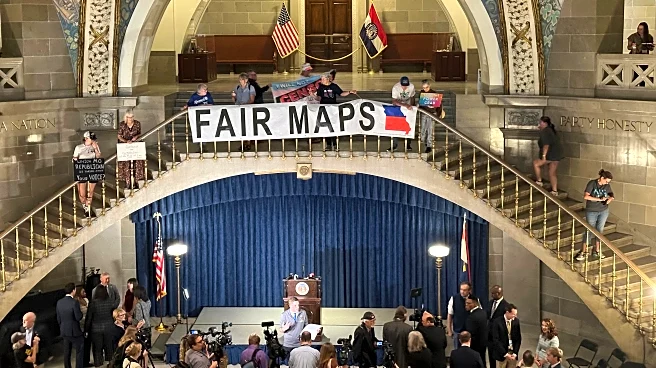
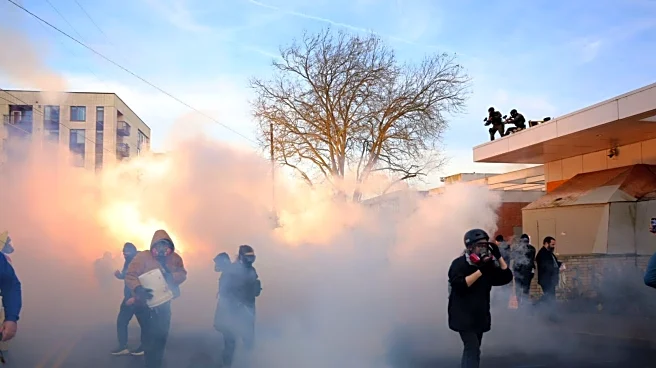
A nationwide protest movement against U.S. Immigration and Customs Enforcement (ICE) is taking place, calling for a halt to work, school, and shopping activities. The protests, organized in over 300 locations across nearly every state, aim to pressure
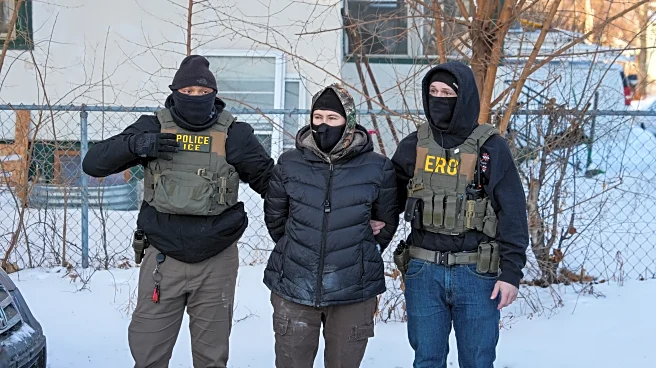
leaders to stop funding ICE and remove federal immigration agents from local communities. This movement follows the fatal shootings of Renée Good and Alex Pretti by federal officers in Minneapolis, which have sparked national outrage. The protests are supported by student groups, labor unions, civil rights coalitions, and community organizations, who argue that federal agents are using aggressive tactics to instill fear in U.S. cities. The movement, which began in Minnesota, has expanded nationwide, with significant actions in California, Texas, New York, Florida, and other states.
Why It's Important?
The protests highlight growing public discontent with federal immigration enforcement practices, particularly in light of recent incidents involving the use of force by ICE agents. The movement seeks to create a visible economic and social disruption to demonstrate public rejection of continued federal funding for ICE. This could potentially influence political leaders to reconsider immigration policies and enforcement strategies. The protests also underscore the broader debate over immigration in the U.S., with implications for public policy and community relations. The outcome of these protests could affect the future of immigration enforcement and the role of federal agencies in local communities.
What's Next?
Organizers plan to continue promoting abstention from work, school, and shopping throughout the day, encouraging participants to document local actions for national amplification. The protests are expected to maintain pressure on political leaders to address the concerns raised by the movement. The response from government officials and the potential for policy changes will be closely watched. Additionally, the protests may inspire similar actions in the future, depending on the outcomes and public response.