





What's Happening?
The International Federation of Red Cross and Red Crescent Societies (IFRC) has launched its 'Earth’s Missing Treaty' campaign, advocating for the creation of the world's first comprehensive global treaty dedicated to protecting people before, during,
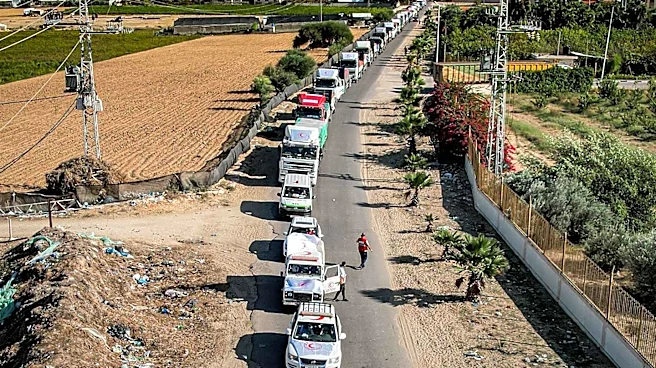
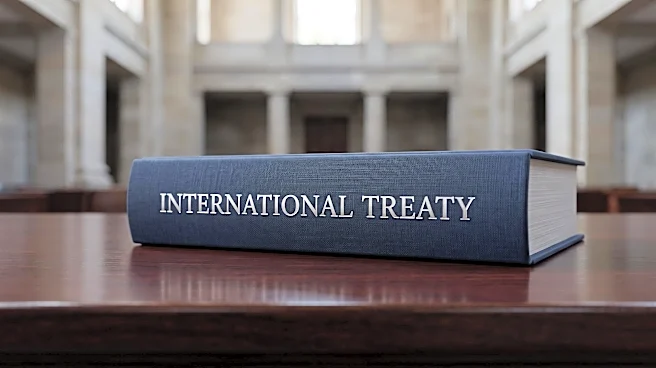
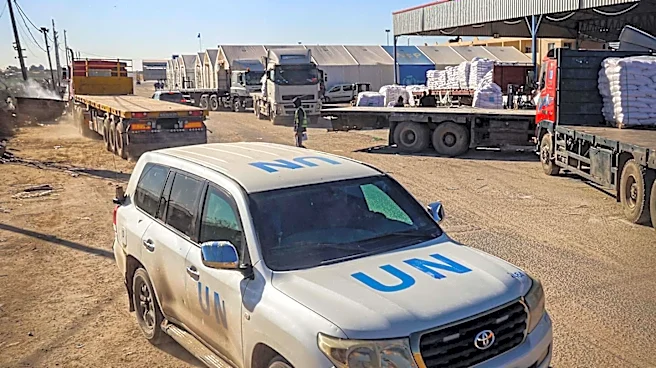
and after disasters. This initiative is supported by astronauts globally and aims to address a significant gap in international law, where currently no such comprehensive treaty exists. UN Member States have agreed to negotiate this proposed 'Treaty on the Protection of Persons in the Event of Disasters.' The IFRC, with over 20 years of experience in disaster law, is playing a leading role in its development, providing technical expertise and practical experience to governments during negotiations. The treaty seeks to enhance disaster preparedness and response, facilitating quicker and more effective delivery of life-saving assistance when catastrophes occur. It also aims to streamline customs and border procedures and foster more predictable cooperation between governments and humanitarian organizations.
Why It's Important?
This proposed global treaty is crucial because it addresses a critical void in international law concerning disaster response and protection. Unlike other areas such as armed conflict or even space exploration, there is no overarching legal framework to ensure consistent and effective aid during natural or man-made disasters. The absence of such a treaty often leads to delays in humanitarian efforts due to legal and administrative barriers, hindering the timely delivery of essential supplies and personnel. For the U.S. and other nations, a global treaty could standardize international cooperation, making it easier to coordinate responses to large-scale disasters that often transcend national borders. It would provide a common framework, clarifying expectations among countries and potentially reducing the economic and human costs associated with disaster relief by improving efficiency and predictability. This could benefit U.S. humanitarian organizations and government agencies involved in international aid by creating a more structured and less bureaucratic environment for their operations.
What's Next?
The negotiation process among UN Member States for the 'Treaty on the Protection of Persons in the Event of Disasters' is underway, with the IFRC actively contributing its expertise. The next steps will involve continued diplomatic efforts to draft and ratify the treaty, which will require consensus among diverse national interests. Major stakeholders, including governments, international organizations, and civil society groups, will likely engage in extensive discussions to define the scope, obligations, and implementation mechanisms of the treaty. Once ratified, the focus will shift to integrating its provisions into national laws and policies, and establishing operational protocols for international cooperation. The IFRC will continue to advocate for the treaty's adoption and support its implementation, aiming to ensure that it effectively strengthens global disaster preparedness and response capabilities.
Beyond the Headlines
The 'Earth’s Missing Treaty' campaign highlights a profound ethical and legal disparity: while astronauts have international protections, millions affected by disasters on Earth do not. This initiative could trigger a significant shift in how international law views humanitarian crises, moving towards a more proactive and unified approach to disaster risk reduction and response. Beyond immediate aid, the treaty's emphasis on strengthening preparedness and streamlining cooperation could foster a global culture of resilience, encouraging nations to invest more in preventative measures and early warning systems. This could also lead to long-term cultural changes, promoting greater international solidarity and shared responsibility in addressing global challenges. The treaty's success could set a precedent for addressing other complex global issues through comprehensive international legal frameworks, reinforcing the importance of multilateralism in an increasingly interconnected world.