




What's Happening?
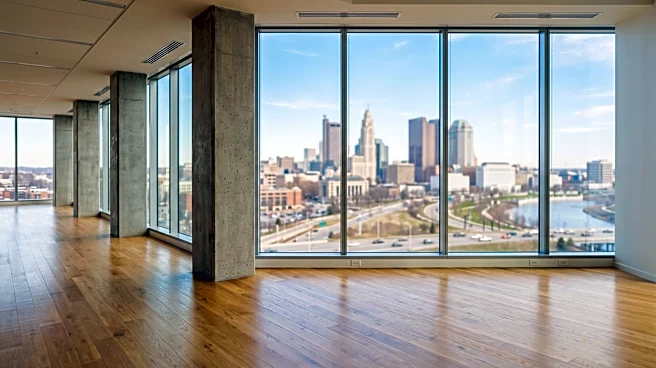
Vermont is experiencing a significant challenge in converting vacant office spaces into much-needed housing, despite ongoing discussions and a persistent statewide housing shortage. While there has been some reduction in office space vacancies in areas
like Chittenden County, largely due to companies like BETA Technologies occupying available spaces, the actual conversion into residential units has been minimal. Yves Bradley, Principal at V/T Commercial, noted that while a property on Lawson Lane in Burlington was acquired for this purpose, little action has followed. The high cost of housing construction, approaching $375.00 per square foot for multi-family buildings, makes such conversions financially difficult, often requiring public/private financing to be viable. The state still needs approximately 28,000 additional homes by 2030, with current production trends only meeting about half of this demand. This situation is exacerbated by elevated interest rates and inflation, which further complicate financing for developers.
Why It's Important?
The slow pace of office-to-housing conversions in Vermont has significant implications for the state's economy and social well-being. A critical housing shortage impacts workforce development, as employers struggle to attract and retain talent who cannot afford to live in the state. This affects various sectors, including healthcare, education, and small businesses. The high cost of construction and limited labor markets contribute to the problem, making it difficult for market-rate housing projects to proceed. While multi-family housing and industrial development show strength, the office and some retail sectors face headwinds due to changing work and shopping patterns, leading to elevated vacancies. The inability to repurpose these vacant commercial spaces into residential units means a missed opportunity to address the housing crisis, particularly for low- and moderate-income households, and could hinder overall economic growth and community vitality.
What's Next?
Vermont is expected to continue exploring solutions to its housing crisis, with a focus on public/private partnerships and regulatory reforms. Efforts to streamline permitting processes, particularly in designated growth areas, are underway, including a new temporary rule to reduce wetland buffer sizes for projects registered by January 1, 2030. The state also aims to codify critical elements of these agreements into legislation in 2027. Continued investment, streamlined processes, and collaboration among public and private stakeholders will be necessary to increase housing production at the required scale. Developers will likely remain selective due to high financing and construction costs, focusing on projects with strong underlying economics. The expectation of stubbornly high interest rates into 2027 will continue to create headwinds for homeownership and new construction affordability, suggesting that the housing shortage will remain a pressing issue for the foreseeable future.
Beyond the Headlines
The challenge of converting empty office spaces into housing in Vermont highlights a broader national trend of adapting urban landscapes to post-pandemic realities. The shift towards hybrid work models has fundamentally altered the demand for traditional office spaces, leaving many commercial buildings underutilized. This situation presents an ethical dilemma: how to balance the economic interests of property owners with the societal need for affordable housing. The reliance on public/private financing and non-profit involvement underscores the market's failure to independently address this critical need, pointing to systemic issues in housing affordability and urban planning. The long-term implications include potential shifts in urban demographics, with downtown areas potentially revitalized by residential populations, but also the risk of continued housing unaffordability if conversions remain too costly or complex. This situation also brings to light the environmental considerations of urban development, as efforts to accelerate housing production must be balanced with protecting natural resources like wetlands.