




What's Happening?
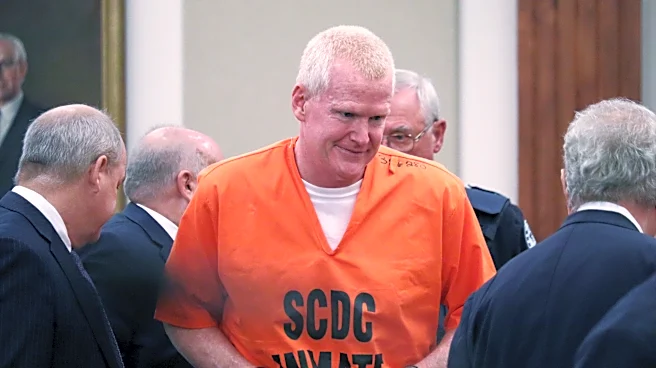
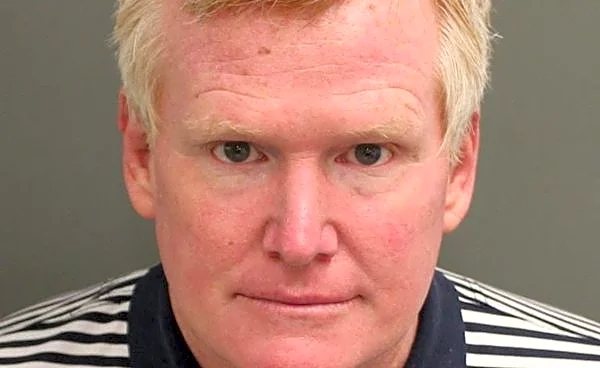
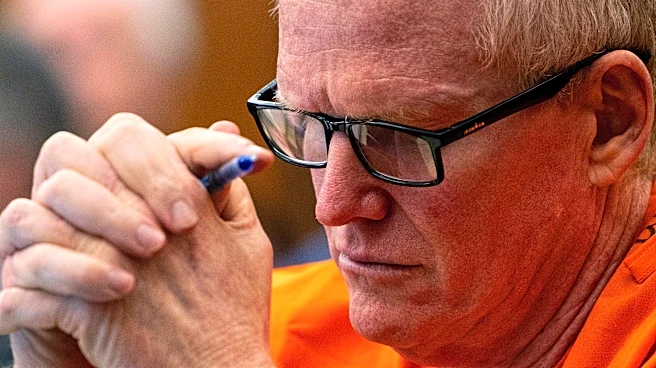
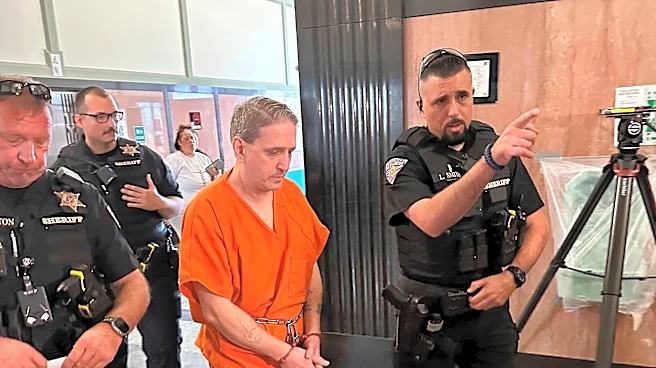
The South Carolina Supreme Court has overturned the conviction of Alex Murdaugh, a former attorney who was previously sentenced to two life terms for the murders of his wife, Maggie, and son, Paul. The court found that Colleton County Clerk of Court Becky
Hill had tampered with the jury, leading to the decision to grant a new trial. Alex Murdaugh's defense attorney, Dick Harpootlian, expressed surprise at the ruling, noting that Murdaugh himself was initially skeptical about the possibility of a reversal. Despite the conviction, Murdaugh's surviving son, Buster, continues to support his father, maintaining a close relationship and naming his own child after him. The defense is preparing for a retrial, with Harpootlian indicating that they will not charge additional fees to the Murdaugh family. South Carolina Attorney General Alan Wilson has announced plans to proceed with the retrial, aiming for a speedy process, although Harpootlian has expressed doubts about the feasibility of a quick timeline.
Why It's Important?
The overturning of Alex Murdaugh's conviction is significant as it highlights issues of judicial misconduct and the integrity of the legal process. The case has drawn national attention due to the high-profile nature of the Murdaugh family and the serious charges involved. The decision to grant a new trial underscores the importance of fair trial standards and the potential impact of court officials' actions on legal outcomes. For the legal community, this case serves as a reminder of the critical role that court personnel play in ensuring justice. The retrial could have implications for public trust in the judicial system, particularly in high-stakes cases. Additionally, the financial and emotional toll on the Murdaugh family and the broader community remains a point of concern as the legal proceedings continue.
What's Next?
The next steps involve preparations for the retrial of Alex Murdaugh. Attorney General Alan Wilson has indicated a desire to expedite the process, although logistical and legal challenges may arise. The defense team, led by Dick Harpootlian, is expected to explore new evidence and possibly suggest alternative suspects to the jury. The timeline for the retrial remains uncertain, with Harpootlian suggesting that a trial by the end of the year is unlikely. The state has a limited window to appeal the Supreme Court's decision, but Wilson's focus appears to be on moving forward with the retrial. The outcome of these proceedings could influence future legal strategies and the handling of similar cases.