







What's Happening?
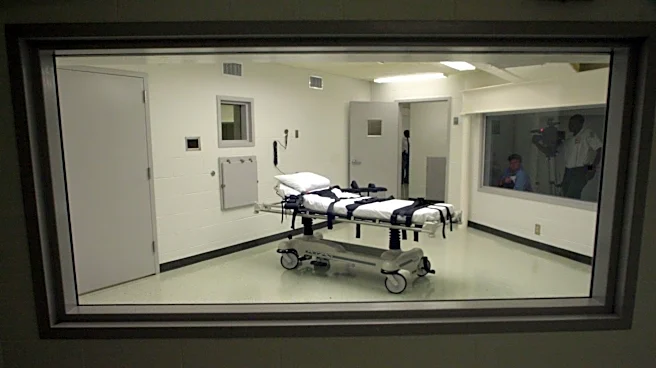
A federal judge has permanently blocked the state of Alabama from executing an inmate using nitrogen gas, citing it as a violation of the ban on cruel and unusual punishment. US District Judge Emily C. Marks issued the ruling against the execution of Jeffrey
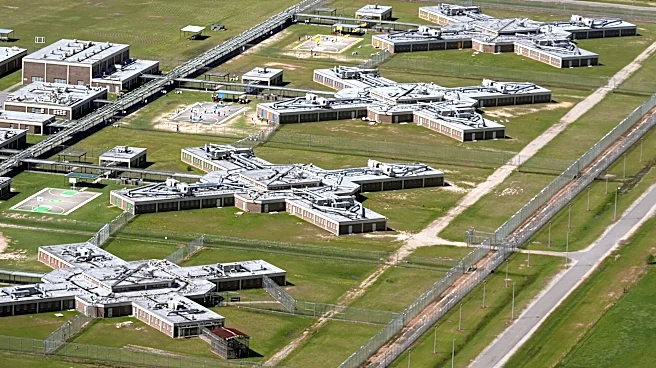
Lee, who was scheduled to be executed at an Alabama prison. This decision came a day after an appeals court reversed her previous ruling that had deemed the method constitutional. The ruling has prompted Alabama Attorney General Steve Marshall's office to review the decision and consider potential next steps, including a possible appeal. The case is expected to reach the US Supreme Court, which has previously allowed nitrogen gas executions to proceed.
Why It's Important?
This ruling is significant as it challenges the use of nitrogen gas as a method of execution, which has been a controversial topic in the United States. The decision underscores ongoing debates about the constitutionality and ethics of execution methods, particularly those perceived as inhumane. The outcome of this case could have broader implications for other states considering or using nitrogen gas for executions. It also highlights the judicial system's role in interpreting the Eighth Amendment's prohibition on cruel and unusual punishment, potentially influencing future legal standards and practices in capital punishment.
What's Next?
The state of Alabama is expected to appeal the decision, potentially bringing the case before the US Supreme Court. This could lead to a landmark ruling on the constitutionality of nitrogen gas as an execution method. The decision may prompt other states to reevaluate their execution protocols and consider alternative methods. Additionally, the case could spark further public and legal discourse on the ethics and legality of various execution methods, influencing legislative and judicial actions across the country.