







What's Happening?
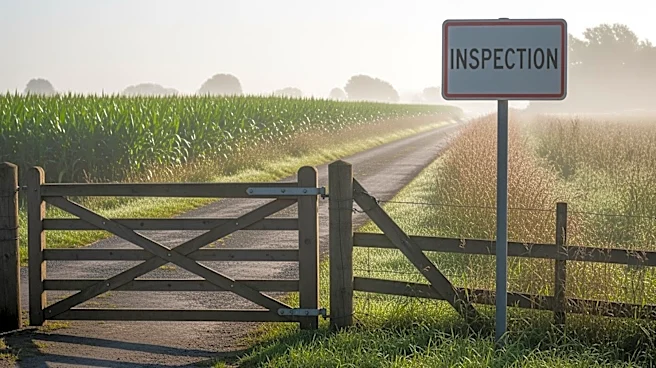
Two new agricultural inspection stations are being constructed in Jackson County, Florida, at the Alabama border on Highway 231 and the Georgia border on Highway 2. These facilities will require trucks to stop for inspections before entering Florida, as
part of efforts by the Office of Agricultural Law Enforcement to ensure the safety of the state's food supply. The inspections aim to identify unsafe food and detect plant and animal pests and diseases that could harm Florida's agricultural industry. However, the construction of these stations has raised concerns among local farmers and agricultural stakeholders. Jeffery Pittman, president of the Jackson County Farm Bureau, highlighted the need for safe agricultural products but also noted the concerns regarding compliance with livestock regulations and the transportation of commodities like peanuts and cotton across state lines. A public meeting was held with Florida Department of Agriculture Commissioner Wilton Simpson to address these concerns, where residents expressed their worries about the impact of the new stations on their operations.
Why It's Important?
The establishment of these inspection stations is significant for Florida's agricultural sector, which is a major contributor to the state's economy. Ensuring the safety of the food supply and preventing the spread of pests and diseases is crucial for maintaining the integrity of the agricultural industry. However, the concerns raised by local farmers highlight the potential challenges and disruptions that could arise from the new regulations. The need for compliance with livestock and crop transportation rules could affect the efficiency and cost of agricultural operations, particularly for those who rely on interstate commerce. The outcome of these inspections could have broader implications for agricultural practices and trade in the region, potentially influencing policy decisions and regulatory frameworks.
What's Next?
The new inspection stations are expected to be operational by the end of the year. As the stations become active, it will be important for the Florida Department of Agriculture to continue engaging with local farmers and stakeholders to address ongoing concerns and ensure a smooth transition. Monitoring the impact of these inspections on agricultural operations and trade will be crucial in assessing their effectiveness and identifying any necessary adjustments to regulations. The response from the agricultural community and any subsequent policy changes will be key factors to watch as the situation develops.