



What's Happening?
A commuter train derailed near Barcelona, Spain, after a containment wall collapsed onto the tracks due to heavy rain, resulting in the death of the train driver and injuries to around 20 people. This incident follows a high-speed train collision in Adamuz,
southern Spain, which killed 42 people. Emergency services, including ambulances and firefighter units, responded to the scene in Gelida, a town on the outskirts of Barcelona. The region has been plagued by underfunded rail services and frequent incidents, raising concerns about the safety and maintenance of the rail infrastructure.
Why It's Important?
The recent train accidents in Spain underscore significant safety concerns within the country's rail network, particularly in regions with underfunded services. These incidents have prompted national mourning and raised questions about the reliability and maintenance of rail infrastructure. The accidents could lead to increased scrutiny and potential reforms in Spain's rail safety protocols. The impact on public confidence in rail travel and the potential economic implications for the rail industry are significant, as Spain is known for its extensive high-speed rail network.
What's Next?
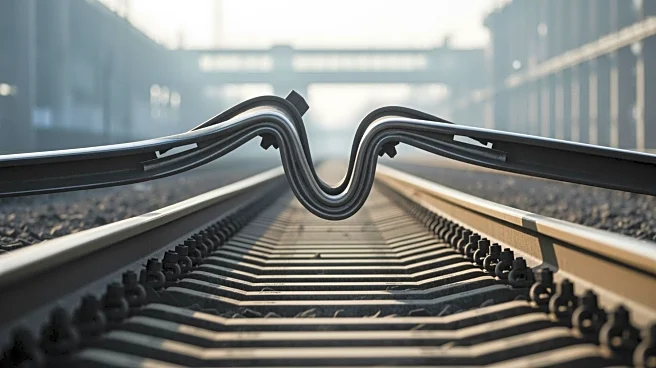
Investigations are underway to determine the causes of both train accidents. Transport Minister Oscar Puente has indicated that a broken section of track may be related to the Adamuz crash, though this remains a hypothesis. The outcomes of these investigations could lead to policy changes and infrastructure improvements. Additionally, there may be increased pressure on the government to invest in rail safety and maintenance to prevent future incidents.