
What's Happening?
A lawsuit has been filed by Park West residents and community advocacy groups in Charleston County, challenging the proposed Highway 41 extension in Mount Pleasant. The plaintiffs argue that Charleston County failed
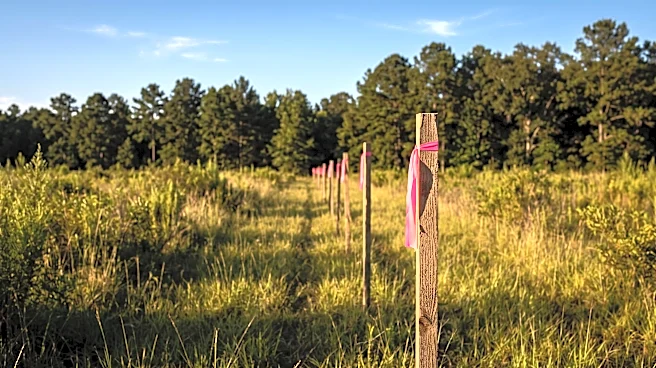
to conduct adequate environmental reviews and bypassed public participation requirements during the approval process. They contend that the project will burden existing residents while primarily benefiting developers and buyers in newer, wealthier subdivisions to the north and east of the current corridor. The lawsuit names Charleston County and relevant planning and transportation authorities as defendants, seeking a court-ordered halt to the extension and a full environmental and procedural review before any construction proceeds. County officials have framed the Highway 41 extension as a traffic relief measure to address rapid population growth in northern Mount Pleasant, aiming to reduce congestion on roads like Long Point Road and Highway 17 by extending the existing corridor into undeveloped and semi-developed land.
Why It's Important?
This lawsuit highlights a significant conflict between established communities and rapid development in the Charleston region, with potential implications for property values, infrastructure planning, and environmental protection. For Park West homeowners, the extension could bring increased traffic, noise, and disruption, potentially suppressing property values, especially for homes closest to the proposed route. The legal challenge also raises questions about the equitable allocation of infrastructure investment, as community groups argue that established, mixed-income communities are bearing the burdens for the benefit of newer, higher-priced developments. The outcome of this case could set a precedent for how future infrastructure projects are scrutinized and approved across the Charleston area, influencing the balance between growth and community well-being. It underscores the importance of thorough environmental reviews and meaningful public participation in large-scale development projects.
What's Next?
The litigation is expected to proceed through briefing, with key milestones including court rulings on preliminary motions and any decisions regarding injunctive relief to pause project activity. A broader merits hearing will follow if the case advances. Residents and stakeholders can monitor developments through Charleston County court records and local news. Community groups involved in the lawsuit are also likely to maintain public communication channels for updates. Depending on the court's timeline, a substantive ruling could occur within the next 12 to 18 months, though appeals could extend the period of uncertainty. For homeowners, real estate professionals, and investors in Mount Pleasant, staying informed about these milestones is crucial, as the lawsuit has the potential to materially affect property values, development timelines, and neighborhood character.
Beyond the Headlines
The legal battle over the Highway 41 extension delves into deeper ethical and societal questions regarding urban planning and community equity. The argument that established communities are disproportionately absorbing the costs of infrastructure designed to benefit newer, wealthier developments points to a broader issue of social justice in regional growth. This case could influence how local governments balance economic development with the preservation of existing community character and environmental resources. It also highlights the power dynamics between local authorities, developers, and organized citizen groups. The lawsuit's success or failure will send a clear message about the efficacy of legal challenges as a tool for community advocacy against large-scale infrastructure projects, potentially empowering or discouraging similar actions in other rapidly developing U.S. regions facing similar pressures.