

What's Happening?
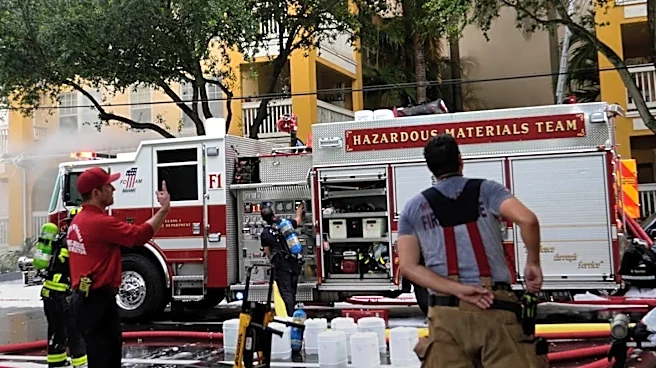
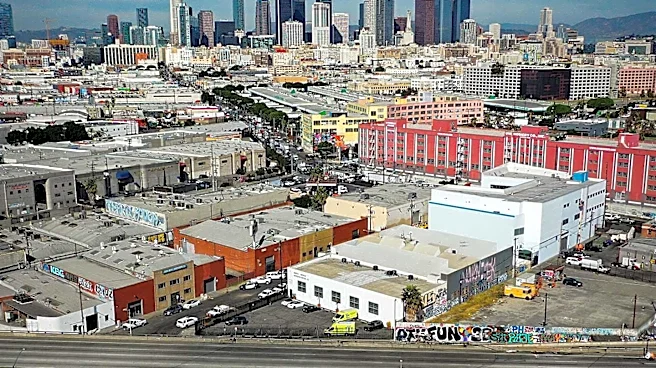
Lineage, a company operating a warehouse in Boyle Heights, is facing a new deadline of August 20 to remove rotting food waste following a fire. This comes after the company missed an earlier city-imposed deadline of August 14. As of Tuesday, Lineage reported
that 97% of the food had been removed, but the pace of cleanup has slowed. The company disputes the city's timeline, stating that the Los Angeles Fire Department did not hand over the building until July 7, making their applicable deadline August 20, in line with orders from the South Coast Air Quality Management District (AQMD). The L.A. County Department of Public Health is inspecting the warehouse daily and issuing fines of up to $2,000 per day for unsanitary conditions and inadequate pest control. Mayor Karen Bass and other officials have expressed concerns about verifying Lineage's cleanup estimates, with Mayor Bass stating, 'Lineage has said that they have removed 84% of all food waste in Freezer 1, but we cannot verify that.' Residents continue to report issues with lingering odors, pests, and health concerns.
Why It's Important?
This situation highlights significant public health and environmental concerns for the residents of Boyle Heights, who are experiencing ongoing issues like nausea and headaches due to the smell of rotting food. The dispute over cleanup timelines between Lineage and city officials, including Mayor Karen Bass, underscores challenges in accountability and oversight during environmental remediation efforts. The lack of independent verification for Lineage's cleanup progress raises questions about transparency and the effectiveness of current regulatory measures. The daily fines imposed by the L.A. County Department of Public Health indicate the severity of the unsanitary conditions and the potential for prolonged environmental impact. This event also brings to light the broader implications of industrial incidents on local communities, particularly regarding air quality and public well-being, and the need for clear, enforceable deadlines and verifiable progress reports in such cleanups.
What's Next?
If Lineage fails to meet the August 20 and August 27 cleanup deadlines set by the South Coast AQMD, the agency will convene another hearing to determine further penalties. The August 27 deadline pertains to the next phase of cleanup, which includes removing loose debris, power washing, disinfecting, detailing, and deodorizing. Mayor Karen Bass previously indicated that the city was preparing to pursue civil litigation and other legal options, including cost recovery and penalties, after Lineage missed the city's August 14 deadline. However, the mayor's office has not yet confirmed if a lawsuit has been filed. Residents are awaiting a definitive timeline for the complete elimination of the odors, which Lineage attributes primarily to the food waste. The company is conducting round-the-clock air monitoring and sharing results online, but a specific end date for the smell has not been provided.
Beyond the Headlines
The ongoing situation in Boyle Heights extends beyond immediate cleanup efforts, revealing deeper issues concerning environmental justice and community trust. Residents' frustration with unanswered questions and perceived lack of urgency from both the city and Lineage points to a potential breakdown in communication and responsiveness from authorities and corporations during crises. The differing deadlines and the lack of independent verification for cleanup progress could erode public confidence in regulatory bodies and corporate responsibility. This incident may prompt a reevaluation of existing protocols for managing industrial accidents, particularly in densely populated urban areas, and could lead to calls for more stringent oversight, clearer accountability mechanisms, and enhanced community engagement in environmental remediation processes. The long-term health impacts on residents due to prolonged exposure to foul odors and potential contaminants also raise ethical considerations about corporate liability and public health protection.