
What's Happening?
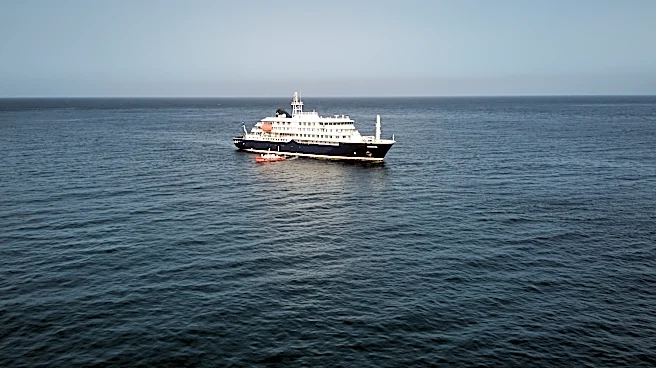
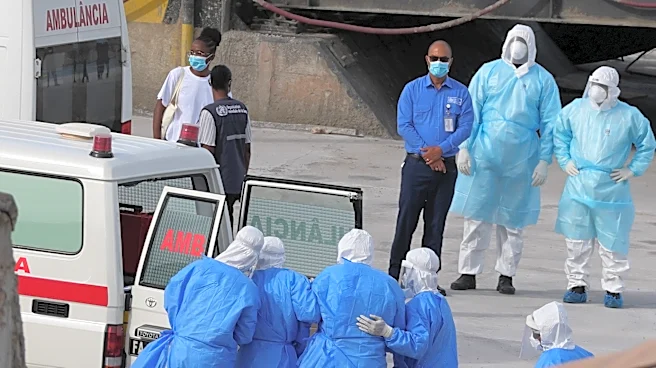
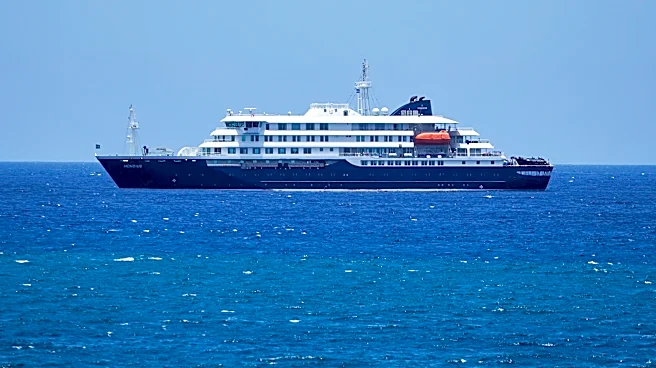
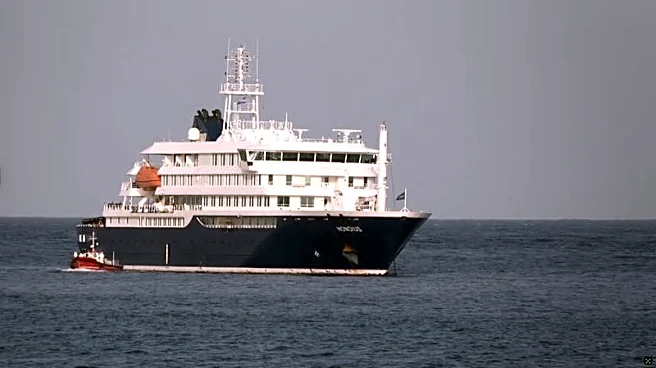
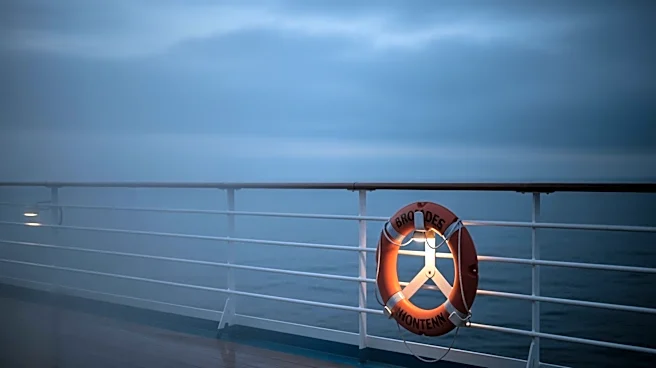
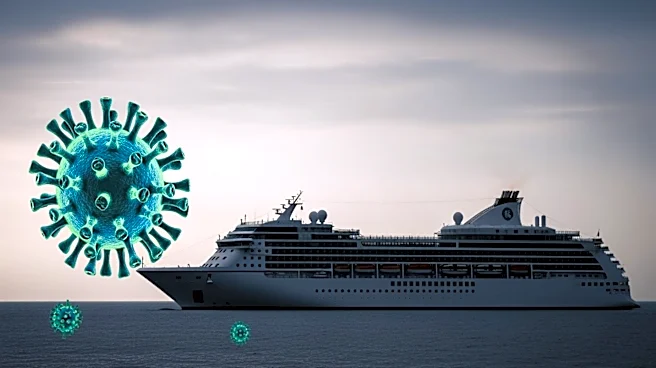
A cruise ship, the MV Hondius, has been struck by a hantavirus outbreak, resulting in the death of three passengers and raising concerns about the virus's spread. The outbreak began with a Dutch couple
who fell ill after traveling in South America before boarding the ship. The virus, identified as the Andes strain, is known for its severe and often fatal lung disease, hantavirus pulmonary syndrome. Despite the virus's low transmission rate between humans, health authorities are tracing contacts of passengers who disembarked in various countries, including South Africa and the UK. The ship, which departed from Argentina, is now en route to Spain's Canary Islands with over 140 passengers and crew still on board.
Why It's Important?
The outbreak highlights the challenges of managing infectious diseases on cruise ships, which are often isolated and have limited medical facilities. The situation underscores the importance of effective contact tracing and international cooperation in preventing the spread of infectious diseases. The hantavirus outbreak could impact the cruise industry, which is still recovering from the COVID-19 pandemic, by increasing scrutiny on health protocols and passenger safety measures. Additionally, the incident may prompt health authorities to reassess guidelines for managing outbreaks on international voyages.
What's Next?
Health authorities in affected countries are continuing to trace and monitor individuals who may have been exposed to the virus. The ship's operator and health officials are likely to face increased pressure to implement stricter health measures and improve outbreak response strategies. The situation may also lead to regulatory changes in the cruise industry, focusing on enhancing health and safety standards to prevent future outbreaks.