






What's Happening?
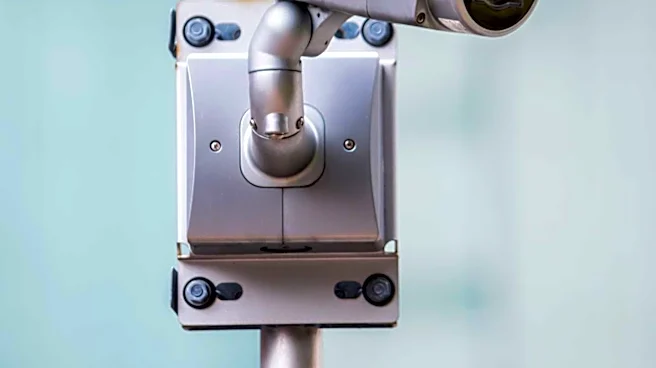
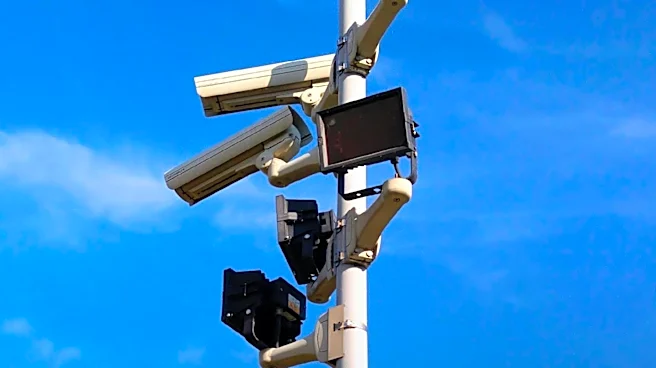
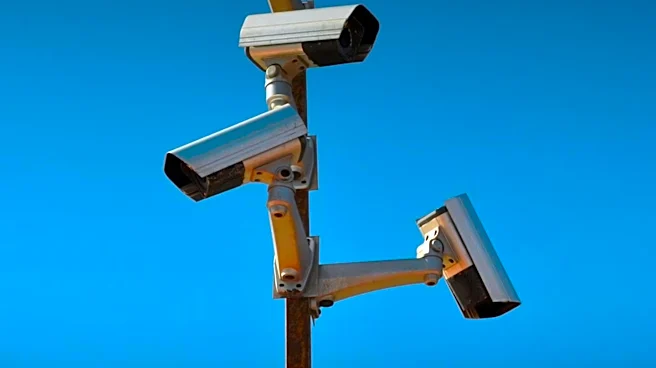
Homeowners associations (HOAs) across the United States are increasingly installing license plate reader cameras from Flock Safety, leading to significant backlash and impacting home sales. These cameras, often funded by resident dues and sometimes without
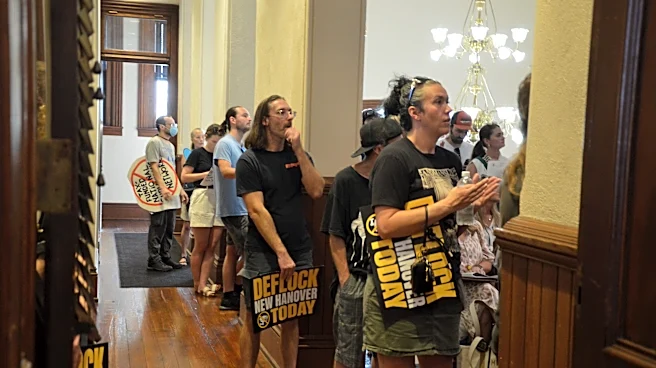
a community vote, capture vehicle information and feed it into a searchable, cloud-based system. While HOAs typically own their footage, opting into data sharing can make these records accessible to thousands of law enforcement agencies nationwide. The deployment of these surveillance systems has sparked controversy, with residents raising concerns about privacy, data access, and the constitutionality of such widespread monitoring. In some instances, the presence of these cameras has caused potential homebuyers to cancel showings and even led to the collapse of signed contracts, as brokers are often blindsided by these surveillance contracts not being mentioned in HOA disclosure paperwork. The issue has escalated to legal challenges, with cities facing lawsuits and community revolts.
Why It's Important?
The widespread adoption of HOA surveillance cameras carries significant implications for privacy rights, property values, and community governance in the U.S. The lack of transparency in the installation and data-sharing agreements of these systems undermines residents' trust and raises questions about who has access to sensitive personal data. For the real estate market, the backlash is directly affecting home sales, as buyers are increasingly using crowdsourced surveillance maps to vet communities, viewing these cameras as a liability rather than a security enhancement. This trend could lead to decreased demand and potentially lower property values in communities with extensive surveillance. Furthermore, the legal challenges and community disputes highlight a growing tension between perceived security benefits and individual privacy, forcing a reevaluation of how technology is integrated into residential areas and the extent of surveillance deemed acceptable by the public.
What's Next?
The ongoing disputes surrounding HOA surveillance cameras are likely to lead to increased scrutiny of data privacy policies and potentially new regulations governing the use of such technology in residential communities. Communities and local governments may face continued pressure from residents and civil liberties organizations to either remove these cameras or implement stricter oversight mechanisms. The real estate industry will likely need to adapt, with brokers and HOAs potentially being required to disclose surveillance contracts more explicitly to prospective buyers. Legal battles, such as those seen in Troy and Huntington, West Virginia, are expected to continue, setting precedents for how these technologies can be deployed and managed. The development of tools like 'Have I Been Flocked' suggests a growing public demand for transparency and accountability regarding surveillance, which could drive further activism and policy changes.
Beyond the Headlines
Beyond the immediate impact on home sales and privacy, the proliferation of HOA surveillance cameras touches upon deeper societal questions regarding the balance between security and liberty in an increasingly digital world. The debate extends to the ethical implications of constant monitoring, the potential for data misuse, and the erosion of anonymity in private spaces. The fact that these systems can share data with numerous law enforcement agencies without clear oversight raises concerns about the creation of a pervasive surveillance network. This development could fundamentally alter the character of residential communities, shifting them from private havens to monitored environments. The resistance from residents and the legal challenges underscore a broader societal discomfort with unchecked technological surveillance and highlight the need for robust public discourse and policy frameworks to address these complex issues.