


What's Happening?
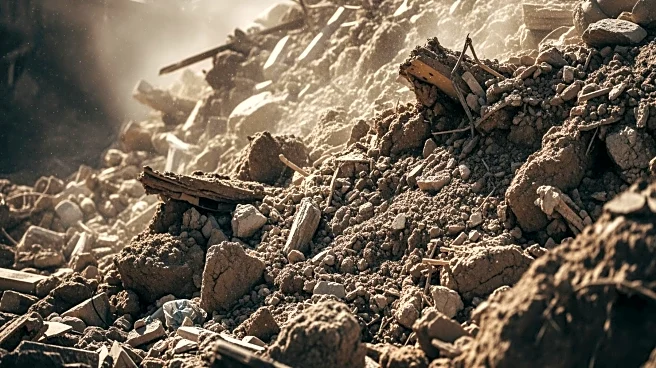
A landfill collapse in Cebu City, Philippines, has resulted in the deaths of four workers, with over 30 others still missing. The incident occurred at the privately-owned Binaliw landfill, where 110 workers were present at the time of the collapse. Rescue
operations are ongoing, with signs of life detected among the debris. However, the rescue efforts are hampered by unstable conditions and the need for more advanced equipment. The cause of the collapse remains unclear, though poor waste management practices have been suggested as a possible factor.
Why It's Important?
The landfill collapse highlights significant issues in waste management practices, which could have broader implications for environmental and public safety standards. The incident underscores the need for improved regulatory oversight and infrastructure to prevent similar disasters. The ongoing rescue efforts also draw attention to the challenges faced by emergency services in disaster-prone areas, emphasizing the importance of preparedness and resource allocation. The tragedy has a profound impact on the local community, affecting the families of the missing workers and raising concerns about worker safety in hazardous environments.
What's Next?
Rescue operations will continue as authorities deploy more advanced equipment to aid in the search for missing workers. Investigations into the cause of the collapse are expected to follow, potentially leading to policy changes or enforcement actions to improve waste management practices. The incident may prompt local and national governments to reassess safety protocols and emergency response strategies to better protect workers and communities in similar settings.
Beyond the Headlines
The collapse may trigger a broader discussion on environmental sustainability and the need for effective waste management systems. It highlights the ethical responsibility of companies and governments to ensure safe working conditions and protect vulnerable communities from industrial hazards. Long-term, this disaster could influence public policy and drive innovation in waste management technologies, aiming to prevent future incidents and promote environmental stewardship.