






What's Happening?
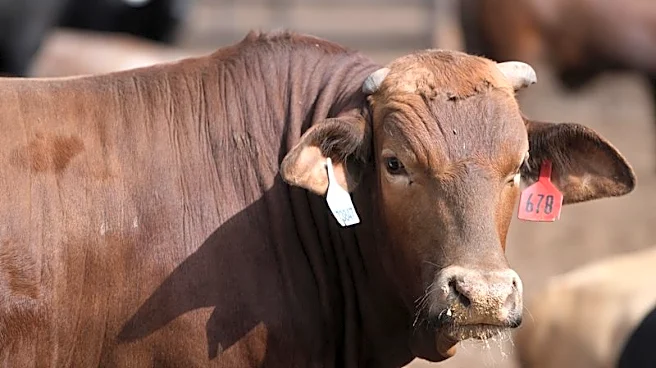
Arkansas ranchers are expressing strong disapproval of President Trump's recent decision to import an additional 300,000 metric tons (661 million pounds) of lean beef trimmings into the U.S. at a lower tariff rate. This measure, set to begin September
1st for 90 days, aims to increase supply and reduce beef prices for consumers. However, local farmers like Don Kittler argue that this intervention will harm American ranchers who were already meeting demand and receiving fair prices for their products. Kittler highlighted that U.S. ranchers produce over 1.4 billion pounds of beef monthly, far exceeding the import quantity, and are already struggling with rising input costs for fuel, fertilizer, seed, and equipment. U.S. Senator John Boozman stated that the cattle sector is currently the only bright spot in agriculture after tough times, and such actions create market volatility with immediate and long-term impacts on producers. U.S. Senator Tom Cotton also advised President Trump against this action, arguing that imported beef below market prices will further pressure cattlemen and that the focus should be on growing the domestic herd.
Why It's Important?
This policy decision carries significant implications for the U.S. agricultural sector, particularly for cattle ranchers. While the administration intends to lower consumer prices, ranchers fear it will destabilize the domestic beef market, reduce their profitability, and disincentivize herd expansion. This could lead to long-term challenges for the sustainability of American beef production. The debate also highlights a broader tension between consumer affordability and producer viability, especially in an industry already facing high operational costs. The ranchers' call for the return of Country of Origin Labeling (COOL) underscores consumer transparency issues, as they believe consumers should be able to choose American-raised beef, which they argue adheres to stricter standards regarding antibiotics and hormones. The stance taken by Senators Boozman and Cotton indicates a bipartisan concern within Arkansas's political representation regarding the potential negative consequences for their state's agricultural economy.
What's Next?
The immediate next step will be the implementation of President Trump's plan to import the additional beef trimmings starting September 1st. Ranchers like Don Kittler and organizations representing them will likely continue to advocate for policy changes, including the reinstatement of Country of Origin Labeling, to protect domestic producers. Consumers may see a short-term impact on beef prices, though the extent and duration remain to be seen, especially if domestic producers reduce their herds in response to market pressures. The ongoing investigations and discussions among congressional leaders, agricultural groups, and the administration will determine if any adjustments are made to the import policy or if other measures are introduced to support American cattlemen. The long-term health of the U.S. cattle industry will depend on how these market dynamics and policy decisions evolve.
Beyond the Headlines
Beyond the immediate economic impact on ranchers and consumers, this situation touches upon fundamental questions about government intervention in free markets and the balance between global trade and domestic industry protection. The ranchers' sentiment, echoing the 'Make America Great Again' rhetoric, suggests a desire for policies that prioritize domestic production and self-sufficiency, particularly in essential sectors like food. The debate also raises ethical considerations regarding food sourcing, quality standards, and consumer choice, especially concerning the perceived superior quality of U.S.-raised beef. If domestic ranchers are significantly impacted, it could lead to a consolidation of the industry, fewer family farms, and a greater reliance on imported goods, potentially affecting national food security and the rural economy. The call for COOL also reflects a broader consumer trend towards transparency and local sourcing, indicating a potential shift in consumer values that policymakers may need to address.