

What's Happening?
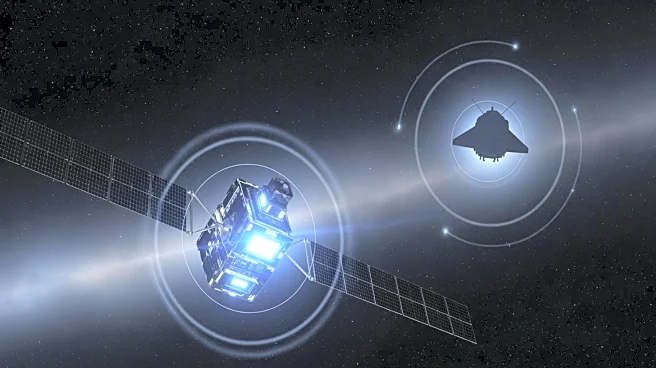
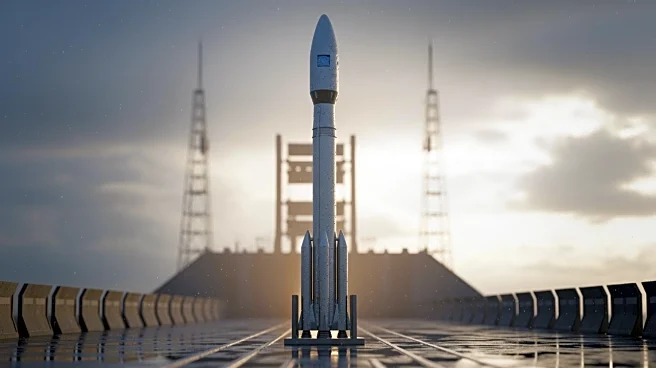
A SpaceX Starlink satellite narrowly avoided a close encounter with a satellite launched by China in December 2025. The incident occurred following the launch of a Kinetica 1 rocket by CAS Space from the Jiuquan Satellite Launch Center, which deployed
nine satellites into low Earth orbit. The Starlink satellite, identified as Starlink-6079, came within 200 meters of one of these satellites at an altitude of approximately 560 kilometers. SpaceX reported that no coordination or direct communication took place regarding the close approach. The event underscores the increasing congestion in Earth's orbit, with the number of operational satellites rising from 3,400 in 2020 to around 13,000 by 2025. SpaceX emphasized the need for better communication between satellite operators to mitigate collision risks.
Why It's Important?
The near-miss incident between the SpaceX Starlink satellite and the Chinese spacecraft highlights the growing challenges of managing satellite traffic in low Earth orbit. As the number of satellites continues to increase, the risk of collisions becomes more significant, potentially leading to space debris that could endanger other satellites and space missions. The lack of coordination and communication between different satellite operators exacerbates these risks. This situation calls for improved data sharing and advance notice protocols to ensure safe operations in space. The incident also reflects the broader implications for international cooperation in space traffic management, as more countries and private companies launch satellites.
What's Next?
In response to the incident, both SpaceX and CAS Space are reviewing the situation to understand the circumstances better. The event is likely to prompt discussions among satellite operators and regulatory bodies about enhancing coordination and communication protocols. As the space industry continues to grow, there may be increased pressure on international organizations to establish standardized guidelines for satellite operations to prevent future close encounters. The development of autonomous maneuvering capabilities in satellites, like those used by SpaceX, may become more widespread as a preventive measure against collisions.