
What's Happening?
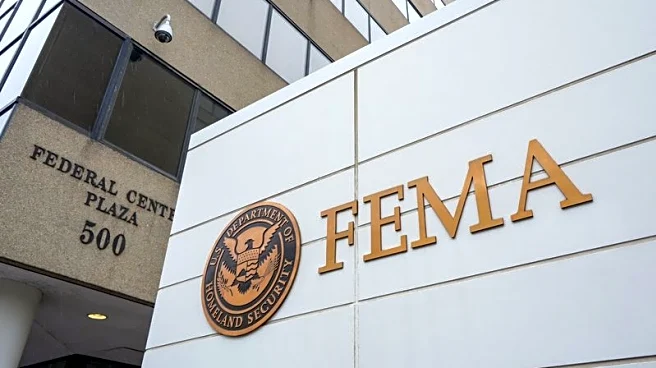
President Donald Trump has approved emergency assistance for Washington, D.C., following a significant sewage spill into the Potomac River. The Federal Emergency Management Agency (FEMA) announced the approval, which allows the agency to provide necessary
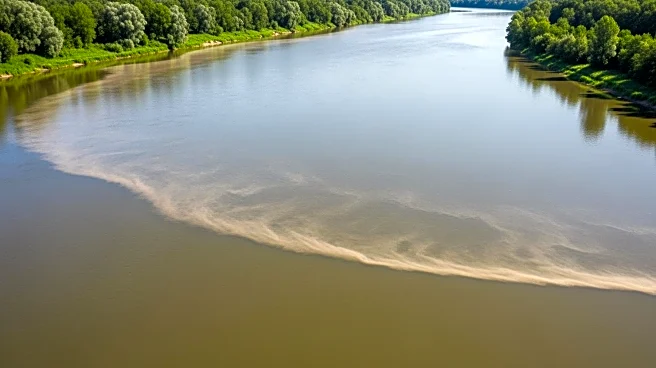
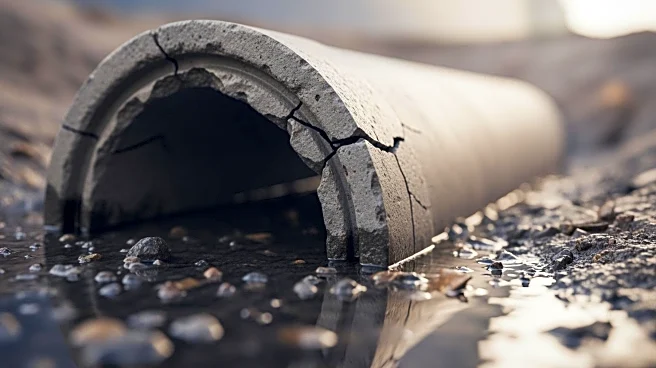
equipment and resources to address the spill. The incident began on January 19, 2026, when a major pipeline, the Potomac Interceptor, ruptured, releasing approximately 250 million gallons of untreated sewage into the river. D.C. Mayor Muriel Bowser declared a public emergency and requested federal assistance. The leak, which is now largely under control, could take months to fully repair. Local water utility DC Water and the Environmental Protection Agency (EPA) are involved in the repair efforts and monitoring the river's impact. While the drinking water remains safe, officials have advised against direct contact with the river for recreational purposes.
Why It's Important?
The approval of federal assistance underscores the severity of the environmental and public health risks posed by the sewage spill. The Potomac River is a critical waterway for the region, and the spill has raised concerns about water quality and ecosystem health. The incident highlights the vulnerability of aging infrastructure and the need for timely maintenance and upgrades to prevent similar occurrences. The federal response aims to mitigate the immediate impact and support long-term recovery efforts. The situation also reflects the complexities of intergovernmental coordination in emergency responses, as local, state, and federal agencies work together to address the crisis. The event could prompt policy discussions on infrastructure investment and environmental protection measures.
What's Next?
Efforts to repair the Potomac Interceptor pipeline are ongoing, with full restoration expected to take several months. The federal and local agencies will continue to monitor the river's water quality and assess the environmental impact. The incident may lead to increased scrutiny of infrastructure management and potential legislative actions to enhance funding for maintenance and upgrades. Public awareness campaigns may be launched to inform residents about safety precautions and environmental conservation. The response and recovery process will likely involve continued collaboration between government entities and community stakeholders.