
What's Happening?
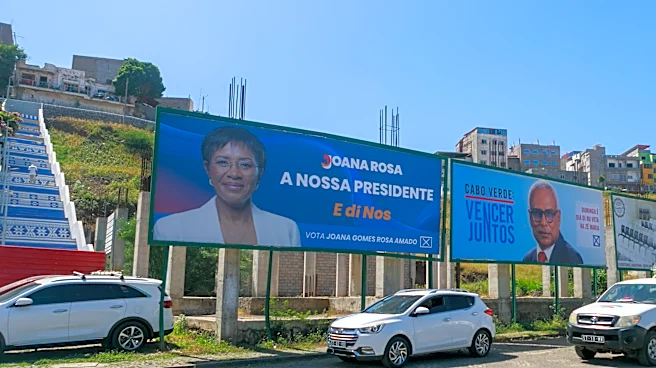
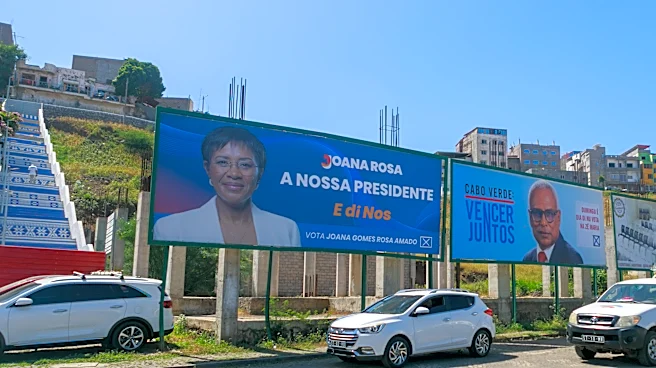
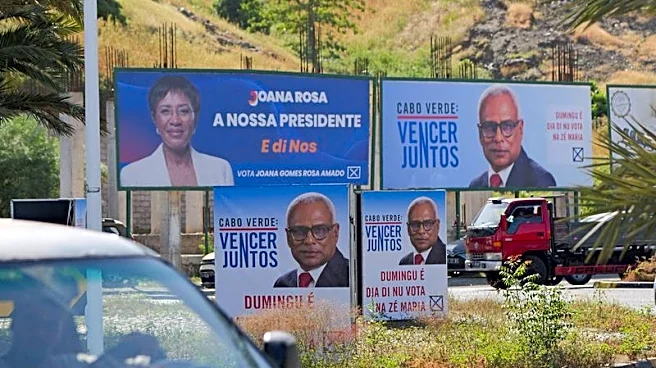
The Economic Community of West African States (ECOWAS) has deployed its Election Observation Mission to Cabo Verde for the upcoming presidential election. Led by H.E. Fatoumatta JALLOW-TAMBAJANG, former Vice-President of The Gambia, the mission completed
its pre-election observation phase in Praia on November 13 and 14, 2026. ECOWAS observers were deployed across the archipelago, engaging with strategic partners including the United Nations Special Representative for West Africa and the Sahel, H.E. Leonardo Santos SIMÃO. The mission's mandate emphasizes listening, observing, respectful engagement with stakeholders, and accurate reporting, while strictly adhering to the ECOWAS Election Observation Code of Conduct. H.E. Fatoumatta JALLOW-TAMBAJANG affirmed the mission's commitment to professionalism, impartiality, and transparency. The pre-election assessment indicated a peaceful, stable, and democratically mature environment conducive to credible elections, with electoral preparations well advanced and a peaceful campaign closure.
Why It's Important?
The deployment of an ECOWAS observation mission underscores the regional body's commitment to promoting democracy and good governance in West Africa. Credible and transparent elections are fundamental to political stability and development, and the presence of international observers helps to ensure the integrity of the electoral process. Cabo Verde's reputation as a strong democratic example in Africa is highlighted, setting a benchmark for other nations in the region. The mission's focus on impartiality and adherence to a code of conduct is crucial for building trust in the election results. Furthermore, the collaboration with the United Nations and other international observation missions signifies a unified international effort to support democratic processes, which can deter electoral malpractice and enhance the legitimacy of the outcome. This collective oversight is vital for maintaining regional peace and preventing potential post-election conflicts.
What's Next?
On election day, the Head of Mission will observe the opening and closing of polls and the counting of votes at various polling stations. ECOWAS observers will be present across all nine inhabited islands of Cabo Verde. Following the vote, the mission is expected to issue a preliminary statement, providing an initial assessment of the electoral process. This statement will be critical in shaping international perceptions of the election's fairness and transparency. The ongoing consultations with presidential candidates and discussions on voter apathy, youth engagement, and electoral reforms, such as automatic voter registration, suggest that the mission's work extends beyond mere observation to contributing to the long-term improvement of democratic practices in Cabo Verde. The ultimate goal is to certify a peaceful, transparent, and credible election, reinforcing Cabo Verde's democratic standing.
Beyond the Headlines
Beyond the immediate election, the ECOWAS mission's activities reflect broader challenges and aspirations within the West African region. The emphasis on addressing voter apathy, particularly among youth, points to a common issue in many democracies where civic engagement can wane. The discussions around electoral reforms, such as automatic voter registration, highlight ongoing efforts to modernize and improve access to democratic participation. The commendation of Cabo Verde's National Electoral Commission for its professionalism and independence serves as an important message to other member states about the institutional foundations necessary for robust democracies. This mission is not just about one election but about reinforcing a regional norm of democratic accountability and the continuous pursuit of electoral integrity, which is essential for the long-term stability and development of West Africa.